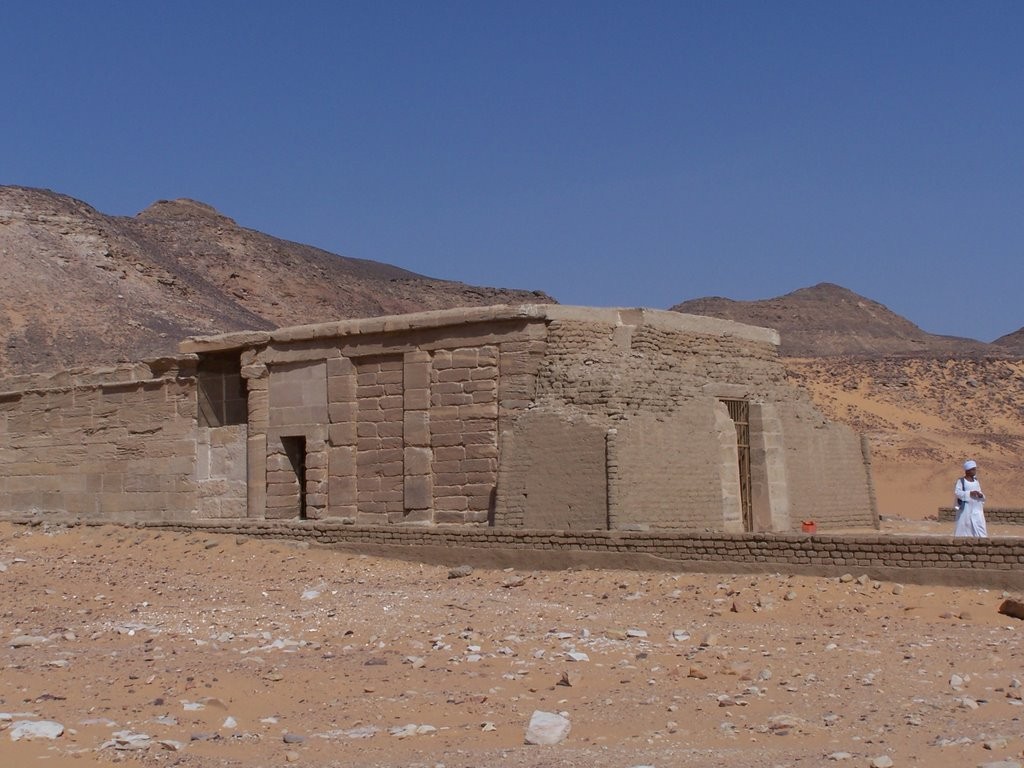
Even though Egypt is known for its famous historical landmarks, the Temple of Amada is a little-known jewel. The history and culture of ancient Nubia are clearly and intricately depicted in this ancient temple, which is situated in Egypt's Nubian area. We'll explore the intriguing history of the Temple of Amada, its cultural relevance, and why it's a must-see location in Egypt tours for history and architectural aficionados in this post.
Worked during the 18th dynasty of the New Realm time frame, around 1400 BCE, the Temple of Amada is perhaps one of the most established enduring temples in Egypt. Built by Pharaoh Thutmose III, it was subsequently extended by Pharaoh Amenhotep III and his child, Akhenaten. Devoted to the god Amun, the temple isn't just a critical strict site for old Egyptians yet in addition for the Nubians. The mixing of the two societies is obvious in the temple's plan, work of art, and engravings, which depict customary Egyptian strict scenes as well as Nubian divine beings and goddesses, customs, and customs. You will see this mix yourself in our guided Egypt travel packages.
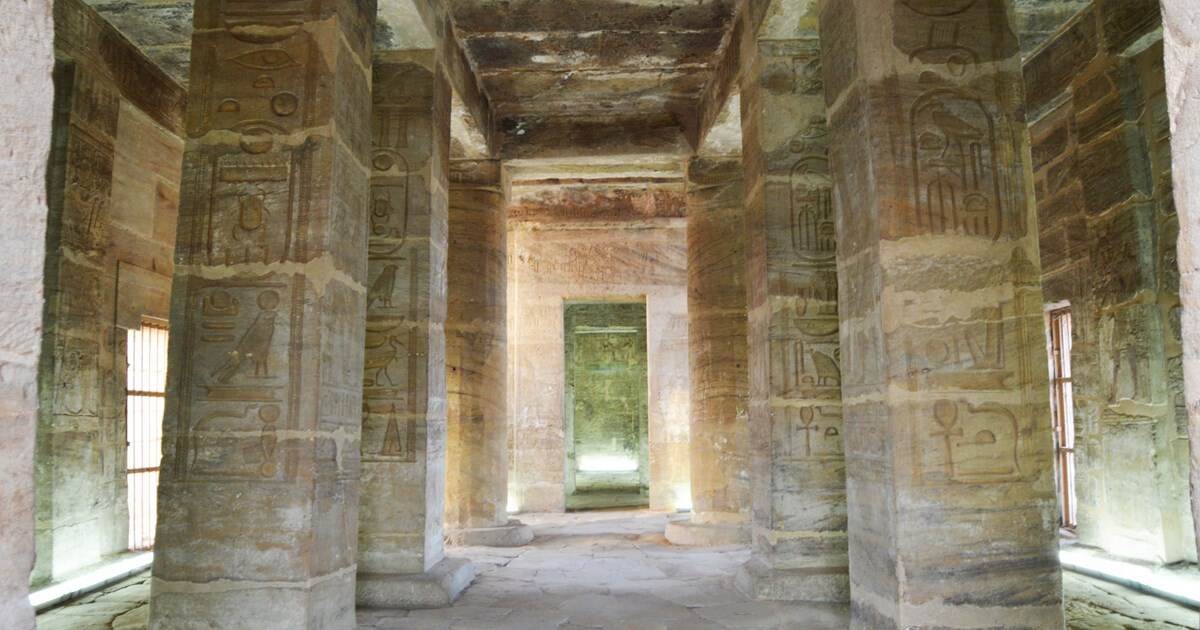
Besides its cultural and verifiable importance, the Temple of Amada flaunts an amazing design that is both exquisite and modern which makes it an important destination in Egypt luxury tours. Regardless of being moderately little contrasted with other Egyptian temples such as Karnak Temple and Abu Simbel Temple, the Temple's focal corridor is flanked by two more modest lobbies, all enriched with delightfully painted scenes that have amazingly made due throughout the long term.
The account of the Temple's disclosure is similarly essentially as interesting as the actual Temple. Covered under sand for quite a long time, it was rediscovered in the mid-19th century by a Swiss pilgrim named Johann Ludwig Burckhardt. Perceiving the sanctuary's authentic importance, he attempted to point out the site. Today, the temple is available to guests to visit during Egypt classic tours and is a well-known object for travelers who wish to explore Egypt's rich history and culture.
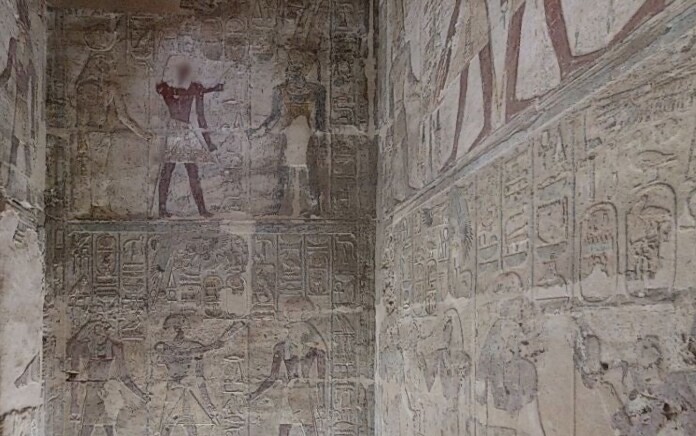
The Temple of Amada, which is situated along the Nile River, is a prime illustration of how Nubian and ancient Egyptian cultures coexisted. Via the exquisitely painted pictures that grace the temple's interior, visitors have the chance to learn more about both ancient Egyptian and Nubian beliefs and practices during Egypt day tours to Amada Temple. The Temple of Amada is a must-see attraction in Egypt budget tours for everyone with an interest in history and architecture.
All in all, the Temple of Amada is an unlikely treasure of old Egyptian and Nubian design that exhibits the complicated and entrancing history and culture of Nubia you must visit it during Aswan day tours. With its rich social importance, great design, and wonderful setting, an objective ought to be on the schedule of any inquisitive voyager, history buff, or engineering fan arranging an excursion to Egypt.
Learn about our latest news, promotions, and professional tips. Know before you book your next Egypt tours
Egypt offers some of the best tours in the world, combining history, culture, and natural beauty. From exploring the Great Pyramids and the Egyptian Museum in Cairo to sailing on a luxury Nile cruise between Luxor and Aswan, every experience is unforgettable. You can also enjoy relaxing beach escapes in the Red Sea or discover ancient wonders on tailor-made Egypt tours that suit every traveler’s interests.
Your Egypt Tours is one of Egypt’s leading and most trusted travel agencies, known for its personalized service and expert care. As a top-rated company for Egypt tour packages, we ensure every Egypt trip is safe, seamless, and unforgettable, offering competitive prices, excellent customer service, and the highest standards of quality. With us, you’re always in good hands.
The average cost of a one-week trip in Egypt is around 1600 USD, including visits to tombs, temples, and a Nile cruise. Prices vary depending on the Egypt tours and the level of luxury you choose.
It’s not recommended to drink tap water in Egypt, as it’s highly chlorinated and may cause stomach issues for travelers. During your Egypt tours, it’s best to drink bottled water and use tap water only for washing or brushing your teeth.
The best time to enjoy Egypt tours is from September to March, when the weather is mild and pleasant. During these months, temperatures are ideal for sightseeing and Nile cruises. Summer (May to September) can be very hot, but it’s also a good time for budget travelers.
Egypt is generally hot and sunny most of the year, with winter falling between November and January, and summer peaking from June to August. Winters are mild, while summers can get very hot, especially in Luxor and Aswan. The pleasant weather from September to March makes it the best time to enjoy Egypt tours and explore the country's top attractions comfortably.
Yes, Egypt is a very safe country to visit, with a low crime rate and strong security measures in all tourist areas. The government ensures that accommodations and attractions remain clean and well-monitored for travelers’ comfort. When you book Egypt tours, you’ll find professional guides and organized arrangements that make your trip worry-free and enjoyable.
Egypt offers adventures for every traveler. Explore the majestic Pyramids of Giza, sail along the Nile on a Luxury cruise between Luxor and Aswan, and discover ancient temples and tombs that tell the story of the Pharaohs. Dive or snorkel in the Red Sea at Hurghada and Sharm El Sheikh, or enjoy a relaxing beach escape. Book one of our Egypt tours to experience the perfect mix of history, culture in one unforgettable journey.
Yes, you can, summer is still a great time to explore Egypt! While temperatures can rise to around 45°C, seaside resorts like Hurghada, Sharm El Sheikh, and Marsa Alam offer refreshing escapes with diving and snorkeling opportunities. Sightseeing in the early morning or evening helps you avoid the midday heat. Summer also brings great deals on hotels and services, making it ideal for travelers on a budget. Whether you’re seeking relaxation or adventure, Egypt tours during summer can still be an enjoyable and memorable experience.
Egypt has a modest dress code, especially for women, since it’s a Muslim country. Light, comfortable clothing is fine, but avoid short shorts or skirts. When visiting religious sites, cover your shoulders and knees. During Egypt tours, you can dress casually and comfortably; formal wear is optional unless you want to make your Nile cruise dinner extra special.
You can easily obtain a visa upon arrival at Cairo Airport, the process is simple for USA, UK, Canadian, Australian, and European citizens. The visa costs $25 USD and can be purchased at the visa office before immigration. You can also apply for an E-Visa through the official portal: www.visa2egypt.gov.eg. During your Egypt tours, our team can assist you with all visa-related inquiries to make your arrival smooth and stress-free.
Your Egypt Tours travel agency recommends two weeks so that you can enjoy the temples and tombs of Luxor and Aswan, explore the sights of Cairo, and relax in the Red Sea islands and nature reserves.
The best Egypt Nile River cruise depends on your preferences, budget, and how many nights you wish to spend on board. For a truly unforgettable experience, we recommend a 5-star luxury Nile cruise that offers exceptional comfort and service. If you prefer a more private and intimate journey, choose a Dahabiya Nile cruise, ideal for small groups of around 15 people. For adventurous travelers, the traditional Felucca boats provide a simple and authentic way to sail the Nile during your Egypt tours, though they offer fewer amenities.
The best time to visit Egypt is generally from October to April where it is suitable for outdoor activities and sightseeing.
Egypt travel usually have guided tours to archaeological sites, museums, and historical landmarks. Also have optional activities may include hot air balloon rides over Luxor, snorkeling in the Red Sea, or desert safaris.