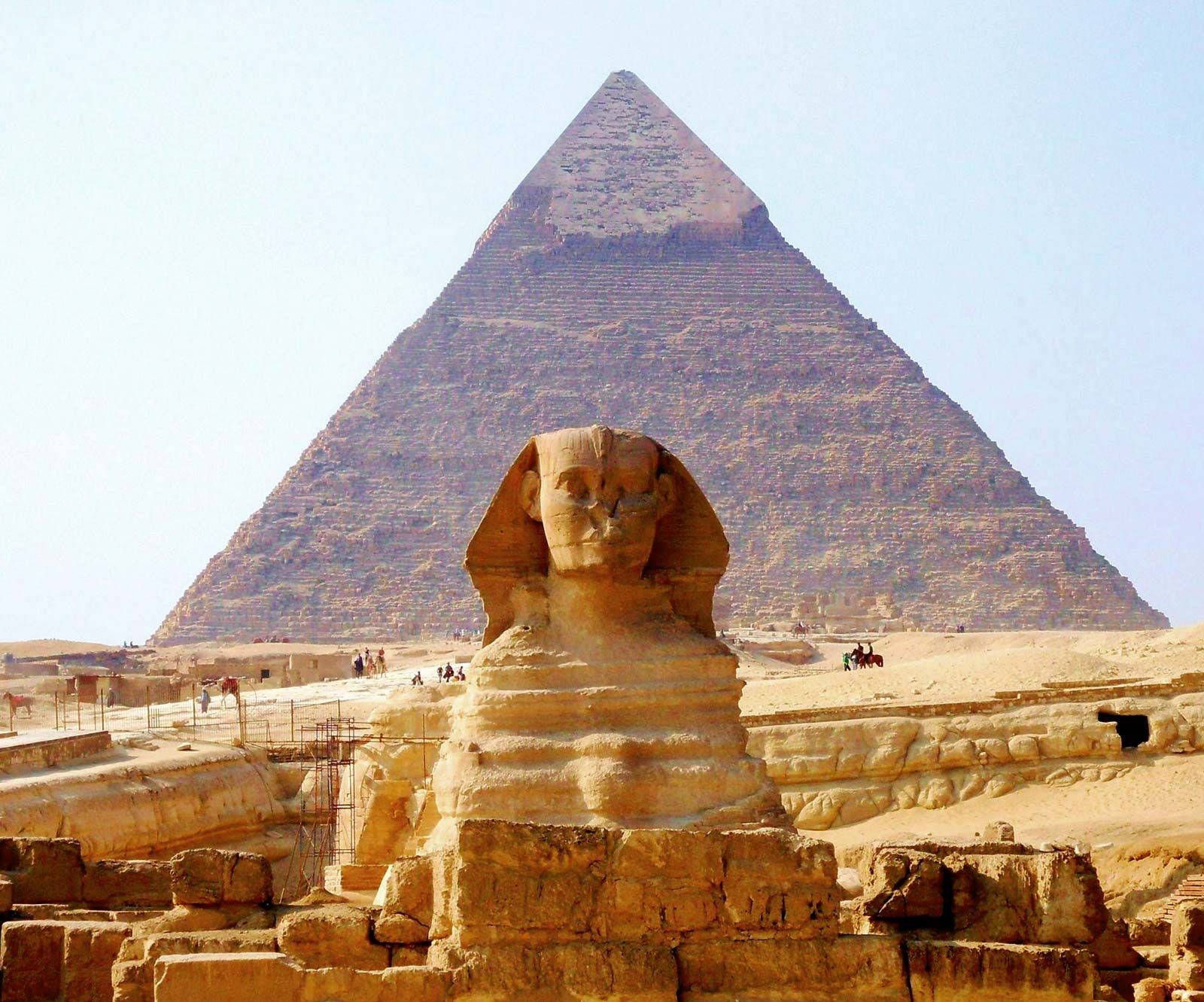
Egyptian Ancient monuments are among the most fascinating landmarks in the world. Their appeal does not lie only in their magnificent architecture and deep history, but also in the many myths and legends that have surrounded them for centuries. Between fact and fiction, curiosity remains the main reason millions of tourists visit Egypt to uncover the mysteries of its civilization.
What makes Egyptian monuments especially powerful in the human imagination is the way they blur the line between the explainable and the mysterious. Unlike ruins in many other parts of the world, Egypt's monuments are not only old _ they are monumental in scale, symbolic in meaning, and astonishingly well preserved. To ancient visitors, medieval travelers, and even modern observers, these structures seemed too perfect, too massive, and too mathematically precise to be ordinary human achievements. This perception opened the door for legends to flourish.
One of the earliest myths recorded in history came from Greek historians who visited Egypt thousands of years after the pyramids were built. Unable to fully understand the engineering methods, some assumed divine intervention or forgotten ancient technologies. Over time, these early speculations evolved into medieval tales claiming giants or mythical civilizations had built the monuments. In the modern era, such stories transformed into theories about extraterrestrials. Each generation reshaped the mystery according to its own imagination and beliefs
Another famous legend is the so-called Pharaoh's curse," the idea that anyone who disturbs a royal tomb will suffer misfortune. These myths became widely known after the discovery of Tutankhamun's tomb in 1922, when several members of the excavation team died years later from unrelated causes. Newspapers exaggerated these events, creating sensational headlines that spread around the world. In reality, no scientific evidence supports the existence of any curse _ yet the story persists because it adds drama and suspense to history.
Legend also grew from symbolic artwork. Egyptian temple walls are covered with carvings of gods, hybrid creatures, and cosmic scenes. To ancient Egyptians, these images represented religious beliefs and philosophical ideas about life, death, and the universe. But later viewers who did not understand the symbolic language sometimes interpreted them literally, assuming they depicted real supernatural beings or hidden knowledge. In truth, they were visual texts _ a sacred language of symbols rather than records of physical events.
There is also a psychological reason myths thrive around Egyptian monuments. Humans naturally seek stories to explain what amazes them. When a structure feels too extraordinary, people often assume an extraordinary explanation. This phenomenon is not unique to Egypt; its monuments are so impressive that they amplify this instinct more than almost anywhere else on earth
The deeper truth is that myths themselves are part of the monuments' legacy. They reveal not secrets about the pyramids, temples, or statues but secrets about human imagination. Legends show how each culture that encountered Egypt projected its own fears, beliefs, and dreams onto these ancient stones. In that sense, myths are not obstacles to understanding history _ they are evidence of how deeply these monuments have inspired humanity across time.
Ultimately, the real wonder of ancient Egyptian monuments is not that they are mysterious. It is that they are understandable. Archaeology continues to uncover how they were built , who built them , and why . the more we learn the clearer it becomes that their greatest secret is not magic or myth, but the extraordinary capability of human civilization thousands of years ago.
some people believe the pyramids were built with the help of aliens because of their precise design and massive stones. However, archaeological research confirms that they were constructed by skilled ancient Egyptian workers using advanced engineering techniques and a highly organized labor system. This demonstrates a remarkable human achievement that needs no mythical explanation .
let's explain what I say :
For centuries, ancient Egyptian monuments _ especially the pyramids _have inspired myths claiming they were built by supernatural forces, lost civilizations, or even aliens. These theories became popular mainly because people struggled to understand how such massive structures could have been built thousands of years ago without modern machines. However, archaeology, engineering studies, and historical discoveries now give us very clear evidence that humans _ not aliens _ built them, and they did so using organized labor, intelligence, and advanced planning.
One of the most famous monuments, the Great Pyramids of Giza, was built around 2560BCE during the reign of Khufu on the Giza Plateau. Archaeologists discovered workers' villages near the pyramids containing bakeries, sleeping quarters, tools, and even medical facilities. This proves the builders were not slaves or mysterious beings _ they were skilled Egyptian workers who lived there seasonally and were paid with food, clothing, and respect.
Engineering evidence also explains construction methods. Egyptian used :
Ramps made of mudbrick and limestone were used to move heavy stones upward.
copper tools and stone hammers to shape blocks.
Sledges are pulled over wet sand to reduce friction.
Precise mathematics and astronomy to align structures with cardinal directions
In fact, inscriptions found inside pyramid blocks include workers' graffiti such as team names like ''Friends of Khufu. '' Aliens would not leave behind human crew jokes and work gang' signatures _ but workers would.
So why do alien theories exist? Mostly because ancient achievements challenge modern assumptions. People sometimes underestimate ancient civilizations, assuming technological sophistication only belongs to modern societies, when something seems too advanced, imagination fills the gap with myths. But history shows that human ingenuity has always been powerful.
The real story is actually more impressive than the myth: pyramids are not evidence of extraterrestrials _ they are proof of human brilliance, organization, and determination
The discovery of King Tutankhamun’s tomb was linked to the famous “Cruse of the Pharaohs, “ Which supposedly brought misfortune to anyone who entered it. In truth, most members of the excavation team lived long lives. Historians believe the curse story was largely a media exaggeration intended to attract attention and excitement.
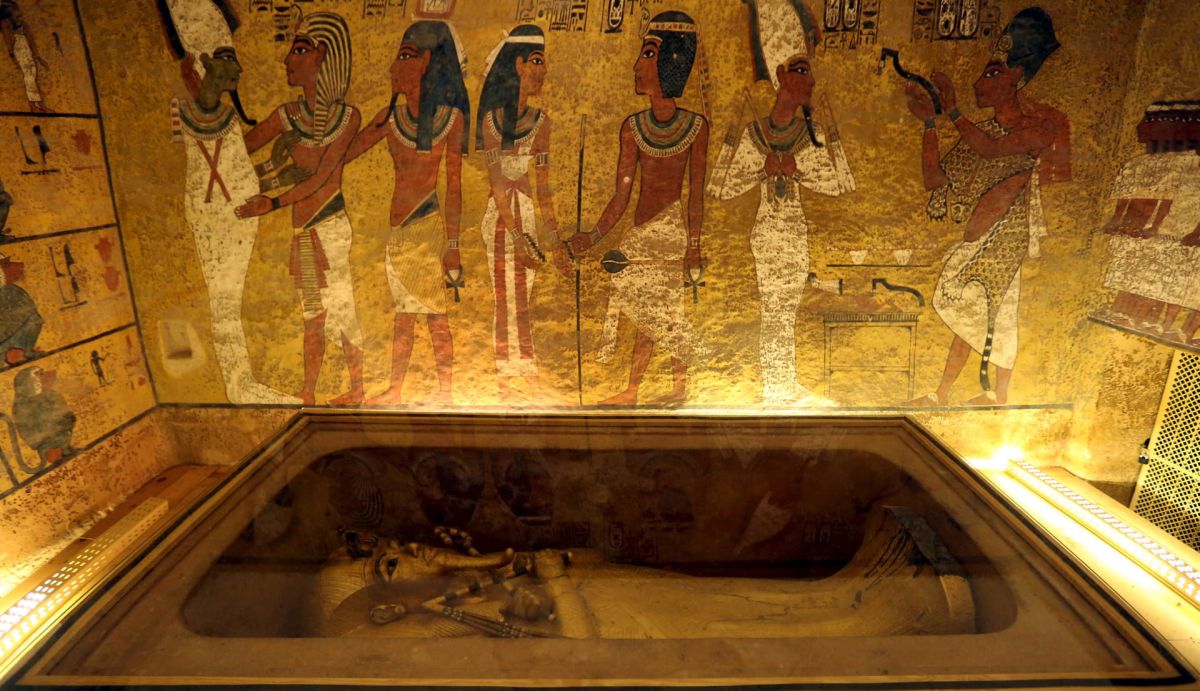
The legend began shortly after the tomb was opened in 1922, when Lord Carnarvon, the expedition's finacial sponsed, died unexpectedly from an infected insect bite. Although doctors clearly explained the medical cause, newspapers around the world quickly connected his death to a supposed ancient curse. Sensational headlines described eerie coincidences, mysterious warnings, supernatural forces guarding the pharaoh's resting place . These dramatic reports captured puplic imaginationand transformed a routine archaeological discovery into a global mystery.
In reality, the archaeological records tell a very different story. The man who led the excavation, Howard Carter, lived for many years after entering the tomb,as did most of the team members who worked at the site. Careful historical research shows that there was no unusual pattern of death among those involved. The so-called curse existed mainly in newspaper stories rather than in documented evidence.
Some scholars have suggested scientific explanations for why the myth sounded believable . Sealed tombs can contain ancient dust, bacteria, or mold that may cause illness in rare cases, especially in poorly ventilated environments. However,no conclusive proof has ever shown that such factors caused the deaths linked to the curse legend . The theory remains speculative and does not support the dramatic narrative promoted by early media coverage.
Another reason the story spread so quickly was the widespread misunderstanding of ancient Egyptian tomb inscriptions. Some tomb walls contain symbolic texts intended to protect the deceased spiritually in the afterlife. These were religious formulas, not threats. Later readers sometimes misinterpreted them as literal warnings to intruders, reinforcing the illusion of a curse.
Psychologically, the idea of a curse appealed to people because it satisfied a deep fascination with forbidden places and ancient secrets. The notion that disturbing a pharaoh's tomb could unleash supernatural punishment heightened the story's drama, suspense, and moral tension. It transformed archaeology _ a scientific discipline _ into something that felt like an adventure tale.
Ironically, the legend accomplished something remarkable: it made Tutankhamun the most famous pharaoh in modern history. Before the discovery of his tomb, he was a relatively minor and little-known ruler. Afterward, his name became globally recognized, showing how myths can sometimes shape public memory more powerfully than historical facts.
Ultimately, the ''curse of the pharaohs" is not an ancient spell preserved from antiquity, but a modern legend created by coincidence, media storytelling, and humanity's enduring love of mystery.
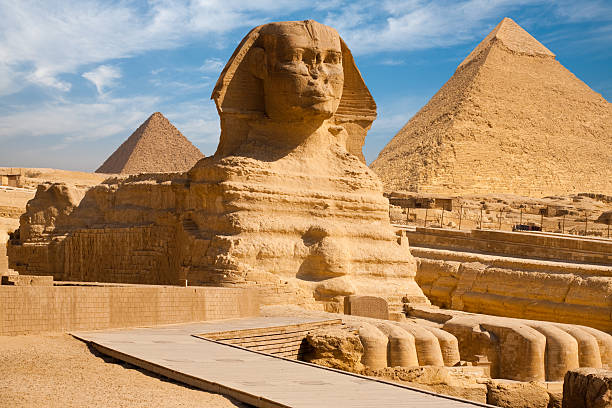
A popular story claims that Napoleon's soldiers fired cannons at the Sphinx's nose; in reality, drawings made centuries before Napoleon’s arrival already depict the Sphinx without its nose. This demonstrates that the story is simply a widely spread legend rather than a historical fact.
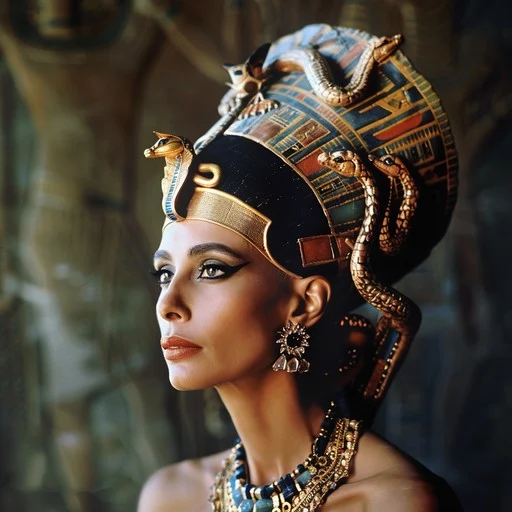
Cleopatra is often described as the most beautiful woman in history. Yet historical sources suggest that her pure power came from her intelligence, education, and extraordinary charisma. Her political skills and strong personality were the real reasons she became one of the most famous queens of all time.
Historians suggest several reasons why myths spread around ancient sites:
The enormous size of monuments makes their construction hard to imagine
People naturally enjoy mysterious stories
Travelers and writers throughout history often exaggerated their descriptions
Ultimately, Ancient Egyptian civilization remains a unique blend of astonishing reality and captivating legend. Perhaps its true magic lies in this balance between historical truth and imaginative storyteling _acombination that makes every visit to its monuments a forgettable experience.
Learn about our latest news, promotions, and professional tips. Know before you book your next Egypt tours
Egypt offers some of the best tours in the world, combining history, culture, and natural beauty. From exploring the Great Pyramids and the Egyptian Museum in Cairo to sailing on a luxury Nile cruise between Luxor and Aswan, every experience is unforgettable. You can also enjoy relaxing beach escapes in the Red Sea or discover ancient wonders on tailor-made Egypt tours that suit every traveler’s interests.
Your Egypt Tours is one of Egypt’s leading and most trusted travel agencies, known for its personalized service and expert care. As a top-rated company for Egypt tour packages, we ensure every Egypt trip is safe, seamless, and unforgettable, offering competitive prices, excellent customer service, and the highest standards of quality. With us, you’re always in good hands.
The average cost of a one-week trip in Egypt is around 1600 USD, including visits to tombs, temples, and a Nile cruise. Prices vary depending on the Egypt tours and the level of luxury you choose.
It’s not recommended to drink tap water in Egypt, as it’s highly chlorinated and may cause stomach issues for travelers. During your Egypt tours, it’s best to drink bottled water and use tap water only for washing or brushing your teeth.
The best time to enjoy Egypt tours is from September to March, when the weather is mild and pleasant. During these months, temperatures are ideal for sightseeing and Nile cruises. Summer (May to September) can be very hot, but it’s also a good time for budget travelers.
Egypt is generally hot and sunny most of the year, with winter falling between November and January, and summer peaking from June to August. Winters are mild, while summers can get very hot, especially in Luxor and Aswan. The pleasant weather from September to March makes it the best time to enjoy Egypt tours and explore the country's top attractions comfortably.
Yes, Egypt is a very safe country to visit, with a low crime rate and strong security measures in all tourist areas. The government ensures that accommodations and attractions remain clean and well-monitored for travelers’ comfort. When you book Egypt tours, you’ll find professional guides and organized arrangements that make your trip worry-free and enjoyable.
Egypt offers adventures for every traveler. Explore the majestic Pyramids of Giza, sail along the Nile on a Luxury cruise between Luxor and Aswan, and discover ancient temples and tombs that tell the story of the Pharaohs. Dive or snorkel in the Red Sea at Hurghada and Sharm El Sheikh, or enjoy a relaxing beach escape. Book one of our Egypt tours to experience the perfect mix of history, culture in one unforgettable journey.
Yes, you can, summer is still a great time to explore Egypt! While temperatures can rise to around 45°C, seaside resorts like Hurghada, Sharm El Sheikh, and Marsa Alam offer refreshing escapes with diving and snorkeling opportunities. Sightseeing in the early morning or evening helps you avoid the midday heat. Summer also brings great deals on hotels and services, making it ideal for travelers on a budget. Whether you’re seeking relaxation or adventure, Egypt tours during summer can still be an enjoyable and memorable experience.
Egypt has a modest dress code, especially for women, since it’s a Muslim country. Light, comfortable clothing is fine, but avoid short shorts or skirts. When visiting religious sites, cover your shoulders and knees. During Egypt tours, you can dress casually and comfortably; formal wear is optional unless you want to make your Nile cruise dinner extra special.
You can easily obtain a visa upon arrival at Cairo Airport, the process is simple for USA, UK, Canadian, Australian, and European citizens. The visa costs $25 USD and can be purchased at the visa office before immigration. You can also apply for an E-Visa through the official portal: www.visa2egypt.gov.eg. During your Egypt tours, our team can assist you with all visa-related inquiries to make your arrival smooth and stress-free.
Your Egypt Tours travel agency recommends two weeks so that you can enjoy the temples and tombs of Luxor and Aswan, explore the sights of Cairo, and relax in the Red Sea islands and nature reserves.
The best Egypt Nile River cruise depends on your preferences, budget, and how many nights you wish to spend on board. For a truly unforgettable experience, we recommend a 5-star luxury Nile cruise that offers exceptional comfort and service. If you prefer a more private and intimate journey, choose a Dahabiya Nile cruise, ideal for small groups of around 15 people. For adventurous travelers, the traditional Felucca boats provide a simple and authentic way to sail the Nile during your Egypt tours, though they offer fewer amenities.
The best time to visit Egypt is generally from October to April where it is suitable for outdoor activities and sightseeing.
Egypt travel usually have guided tours to archaeological sites, museums, and historical landmarks. Also have optional activities may include hot air balloon rides over Luxor, snorkeling in the Red Sea, or desert safaris.