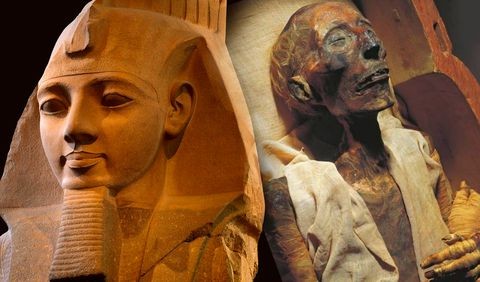
Ramses II, aka Ramses the Great, was one of the most powerful and influential pharaohs you can really name in ancient Egyptian history . He lasted on the throne for over 60 years, and over all he got well known for military deeds, diplomatic wins, and the kind of architectural projects that still pull in visitors today , even after all this time.
You can see traces from the huge Abu Simbel Temple near Aswan, all the way to the grand monuments at Karnak Temple and several other nearby ancient places. With an Egypt tour , his legacy feels less like a lesson and more like something you’re walking through. His narrative somehow shows the strength , the way of life, and the achievements of one of the greatest civilizations ever.
So in this guide, we’ll sort out Ramses II history a bit, then look at how he rose to power, what counts as his biggest achievements, and those monuments that keep telling his story, across Egypt.
Ramses II was born around 1303 BCE in ancient Egypt, kind of like a date you see in older records. He was Seti I’s son and Queen Tuya’s child, so yes, he belonged to the 19th Dynasty of Egypt. Then when his father died he became pharaoh pretty young, and in the long run he ruled Egypt for something like 66 years—so long that, honestly, he ranks among the longest reigning kings in all ancient Egyptian history.
While he was on the throne, Ramses II did a lot to bolster Egypt’s power and push its influence further, and he also set up some of the most striking monuments anyone could point to. Because of that, people came to call him Ramses the Great, and that title basically sums up his weight among Egypt’s more legendary rulers, you know, the famous kind.
Travelers interested in ancient Egyptian history can discover many places connected to Ramses II through Egypt tours, including his temples, statues, and royal monuments spread across the country.
Ramses II was born into a royal line and was kinda prepped from a young age for the whole king thing. His father Seti I guided him in military leadership and in government duties, so he could gather some real experience before he actually became pharaoh.
When he was still a prince, Ramses II went along on military expeditions with his father and learned, how to command troops ,and also how to handle the kingdom itself. Those years helped form him into a dominant ruler who later turned out to be one of Egypt’s best known and most successful pharaohs.
Once he became king, about 1279 BCE he really leaned into keeping Egypt secure, meaning he worked on stronger borders, safeguarded its lands, and started major construction projects so his name would survive through time ,for many generations.
His long reign brought a sense of stability and wealth, while Egypt also saw important shifts in architecture, visual arts, and diplomatic relationships with other states.
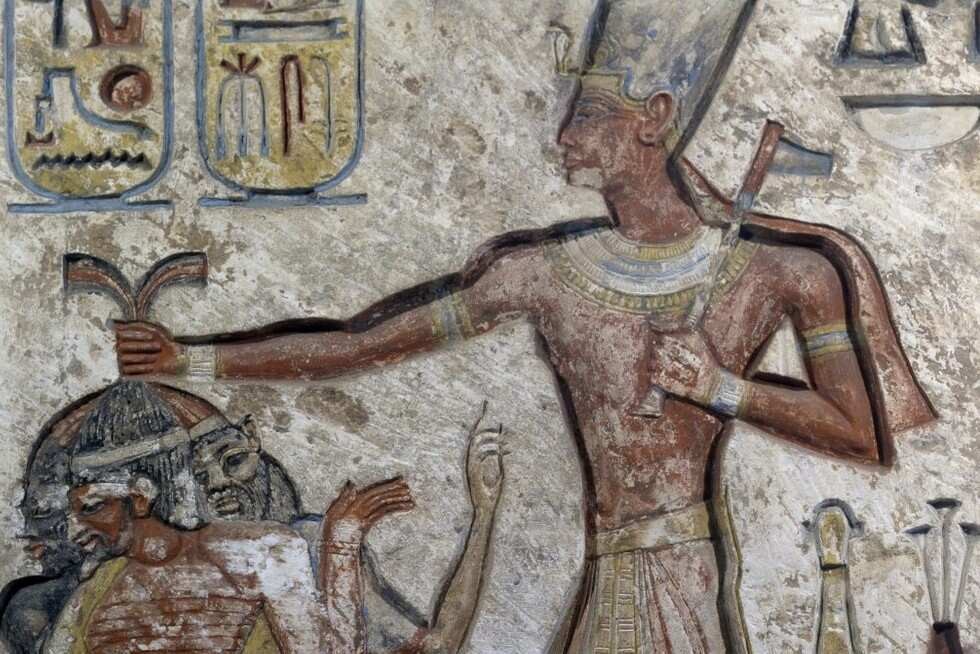
Ramses II was not just some great builder he was also a pretty skilled war leader, and a diplomat in a way. I mean he headed multiple campaigns to keep Egypt safe and also stretch its influence, and one of the most well known fights was the Battle of Kadesh against the Hittites.
Even if that clash was kind of a stalemate, not really a total win for either side, Ramses II later set up one of the earliest peace arrangements people actually know about in history, with the Hittite Empire.
That whole diplomatic win, or if you prefer that successful compromise, made it clear he could keep Egypt strong not only by using warfare, but also by bargaining , building alliances, and doing the careful talks.
And during his reign, Ramses II also ordered the raising of lots of temples, statues, and monuments. A bunch of these places are still among Egypt’s most visited stops today, and they often show up as major highlights on Egypt travel packages, especially for travelers looking into ancient Egyptian civilization.
Ramses II, also called Ramses the Great, was among the longest reigning and also one of the most influential pharaohs in ancient Egypt. He ruled for more than 60 years in the 19th Dynasty, and in that span he pushed Egypt through a time where military force mattered, the economy seemed to breathe, and the building efforts were just jaw dropping.
In those years Ramses II kept stretching Egypt’s influence across Africa and Asia, meanwhile he reinforced the whole kingdom with military successes and careful diplomacy, agreements that were not just words on paper. People often mention his well known peace treaty with the Hittites, and it is usually treated as one of the first recorded peace understandings in history.
But it wasnt only about ruling and campaigns, he also got real famous for his monumental building projects. He helped create a set of monuments that are still treated as major anchors in Egypt’s story, like the Abu Simbel Temple in Aswan, the Karnak Temple in Luxor, and the Ramesseum. Even now, these places stay among the highlights of many Egypt tours, and visitors keep pointing at them again and again.
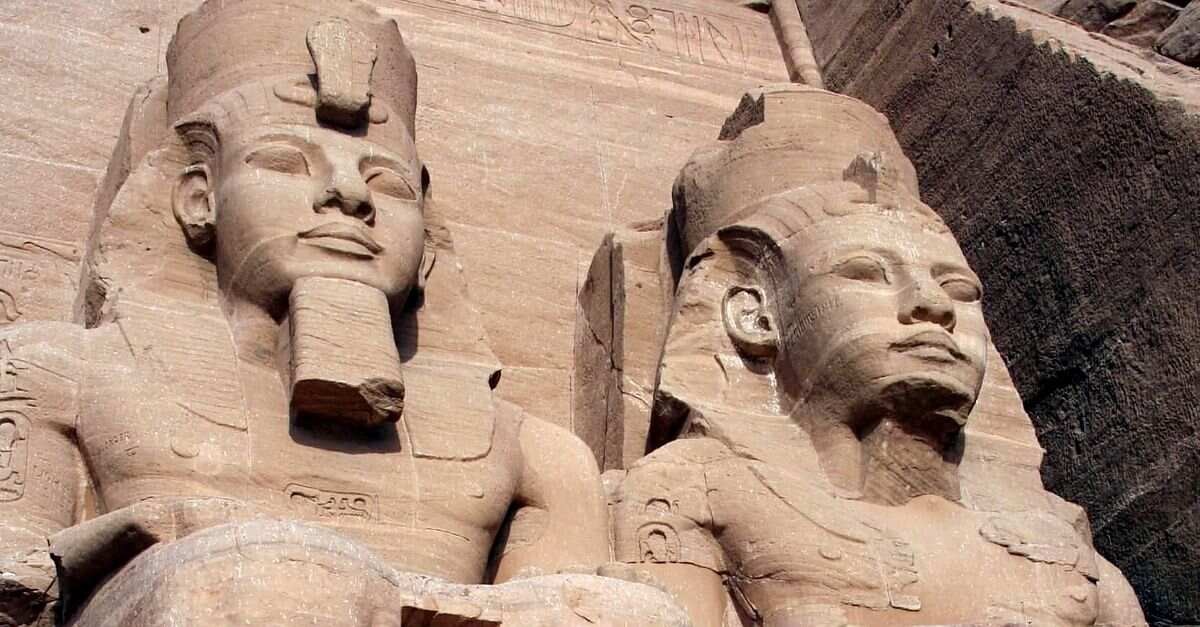
The legacy of Ramses II keeps showing up, in a way that still pulls in travelers and historians more than 3,000 years after he ruled . His temples, statues, and inscriptions give real perspective on ancient Egyptian civilization, and they are still among the most crowded sights in Egypt.
One of his big achievements was building the Abu Simbel Temple, it feels like a loud sign of his strength and devotion to the gods. Travelers on Egypt tours can wander through the striking monuments tied to Ramses II and get a sense of what was happening behind one of Egypt’s most important rulers.
Even today his presence comes through, from the temple complexes in Luxor to the monuments around Aswan, so his story becomes an essential part in any trip focused on ancient Egyptian history
Even with all the records that Ramses II left behind, a few mysteries still hover around his life, his family, and his death. His long reign, and remarkable achievements made him one of the most examined pharaohs in history, people keep returning to him.
One of the most compelling angles is how he related to Queen Nefertari, his Great Royal Wife. Her tomb , beautifully decorated, in the Valley of the Queens still stands out as one of the finest displays of ancient Egyptian art, and it can be visited via Luxor tours if you plan it right.
There is also the question of Ramses II final years. He reached an advanced age, yet scholars continue to examine his mummy, trying to understand his health and the story his body might still be speaking.
For today’s travelers who care about ancient Egyptian history, Egypt sightseeing tours make it possible to meet the world of Ramses II again. You can walk through temples, monuments, and the narratives that helped shape his famous reign, and honestly it feels like the past is right there with you.
Start From: 7500$
Start From: 5600$
Start From: 6810$
Start From: 9185$
Start From: 4250$
Start From: 9720$
Learn about our latest news, promotions, and professional tips. Know before you book your next Egypt tours
Ramses II, also known as Ramses the Great, was one of the most powerful pharaohs of ancient Egypt. He ruled during the 19th Dynasty and became famous for his military achievements, leadership, and impressive construction projects.
Ramses II ruled Egypt for more than 60 years, making him one of the longest-reigning pharaohs in ancient Egyptian history. His long reign was marked by stability, prosperity, and major developments in architecture and culture.
Ramses II achieved many remarkable accomplishments, including building magnificent temples, strengthening Egypt’s borders, leading military campaigns, and creating one of the earliest known peace treaties with the Hittites.
Ramses II built Abu Simbel Temple to honor the gods and celebrate his reign. The temple also served as a symbol of his power and his connection with ancient Egyptian religious beliefs.
Queen Nefertari was the Great Royal Wife of Ramses II and one of the most respected queens of ancient Egypt. She held an important position at the royal court and was honored with a temple at Abu Simbel.
Ramses II is still remembered because of his extraordinary achievements, impressive monuments, and the lasting impact he left on ancient Egyptian history. His legacy continues to attract people interested in the civilization of Egypt.