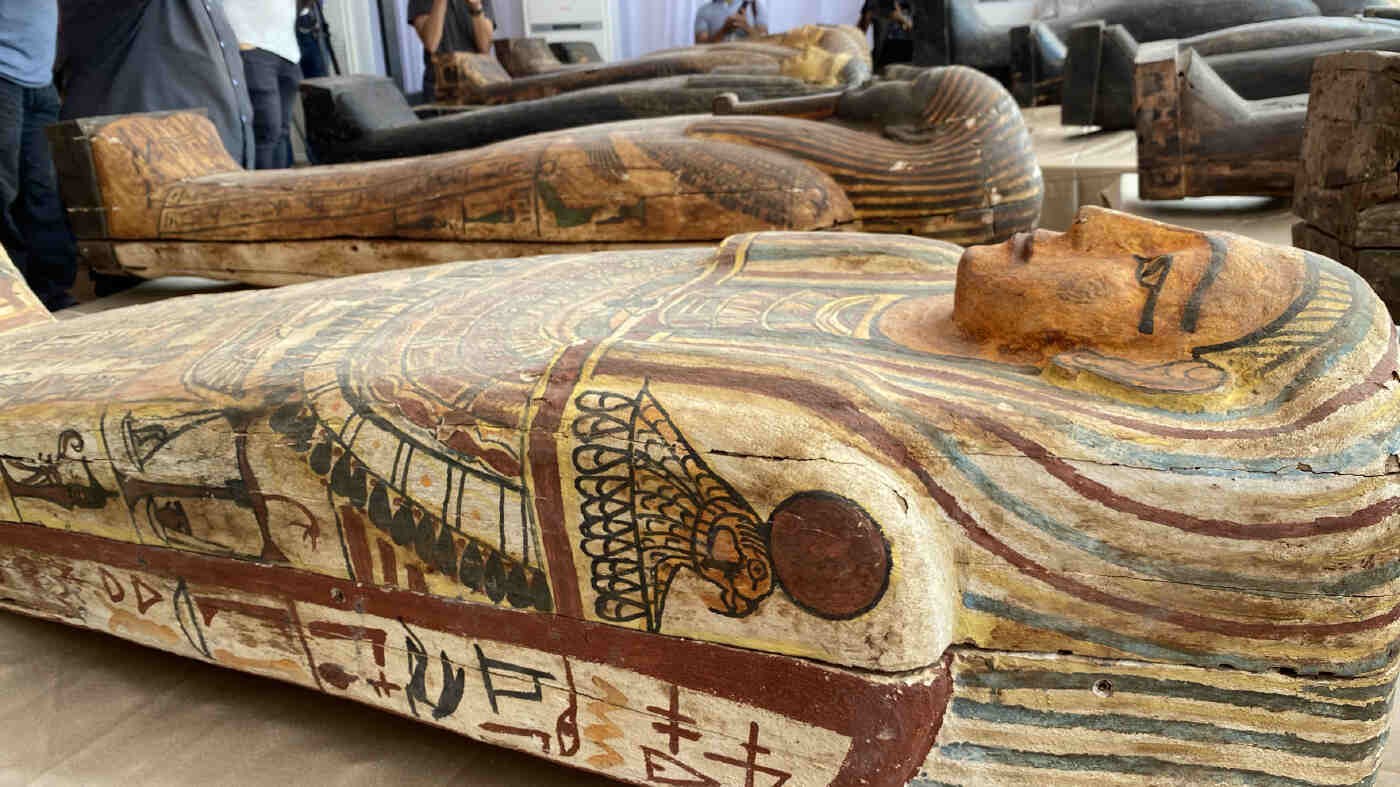
A remarkable find in Egypt tours was made in 1881 by a team of archaeologists excavating in the Valley of the Kings. They discovered the "Missing Link" mummy's tomb, an ancient Egyptian mummy.
At the time, this find caused a great deal of debate, with some specialists believing that the mummy was proof of a previously unidentified gender from humans who had lived in Egypt. Some argued that it was a fraud. This dispute had a double-edged effect: on the one hand, it piqued tourists' interests and encouraged the booking of several Egypt trip packages to learn more about the incident.
The Missing Link, a rare specimen of an ancient Egyptian with albinism that aroused discussion and drew a large number of tourists to explore Luxor attractions, was not proof of an unknown gender.
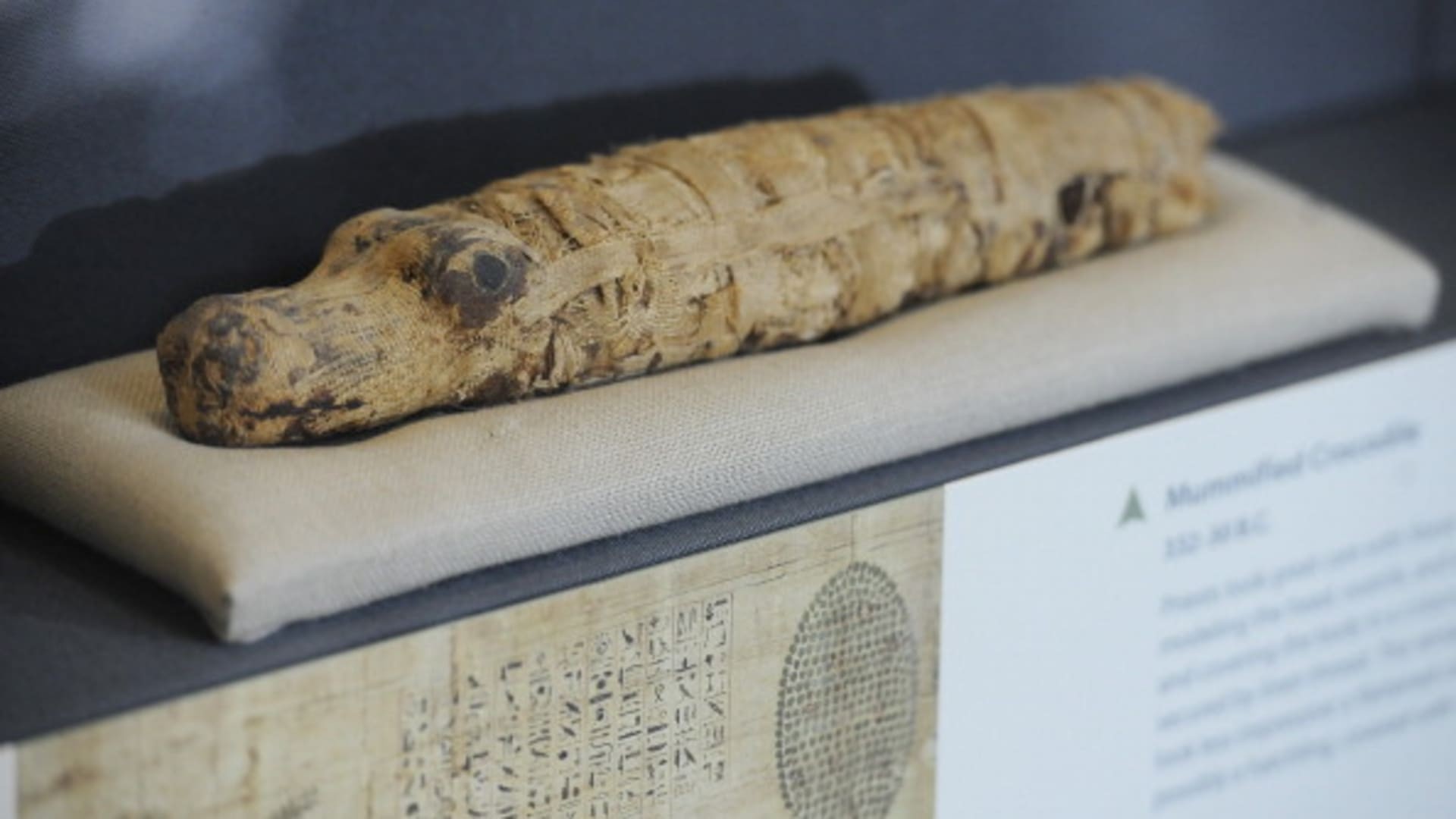
The body of a deceased person who had been preserved through a special embalming technique was referred to as a "mummy" in ancient Egypt. The study of mummies offers perceptions into Egyptian society and culture as well as the lives of particular Egyptians, which you will hear from our guides on luxury tours of Egypt.
Mummification was a protracted, difficult process with several phases. The corpse was first taken out of the tomb and cleaned. The internal organs were then taken out and put in canopic jars; now, visitors to Cairo day tours can view them in the Egyptian Museum, one of Africa's largest museums. Natron, a salty substance, was stuffed into the body cavity to help keep the body dry and prevent decomposition.
The body was prepared to be wrapped in linen strips after a few weeks. The body was then placed back into the tomb along with numerous supplies, including food, clothes, and jewellery, that would be required for the afterlife. They prepared to construct very opulent tombs, such as the Giza pyramids, the Valley of the Kings in Luxor, and many other well-known Egypt tourist attractions, because they anticipated that there will be another transcending existence.
Mummies have been the focus of scientific investigation over time in an effort to understand more about ancient Egyptian culture and civilization, which you will discover on our cultural tours of Egypt. The anatomy and diseases of humans have both been studied using mummies. DNA research has recently been utilised to uncover new information about the genetic make-up of ancient Egyptians and their connections to other cultures worldwide.
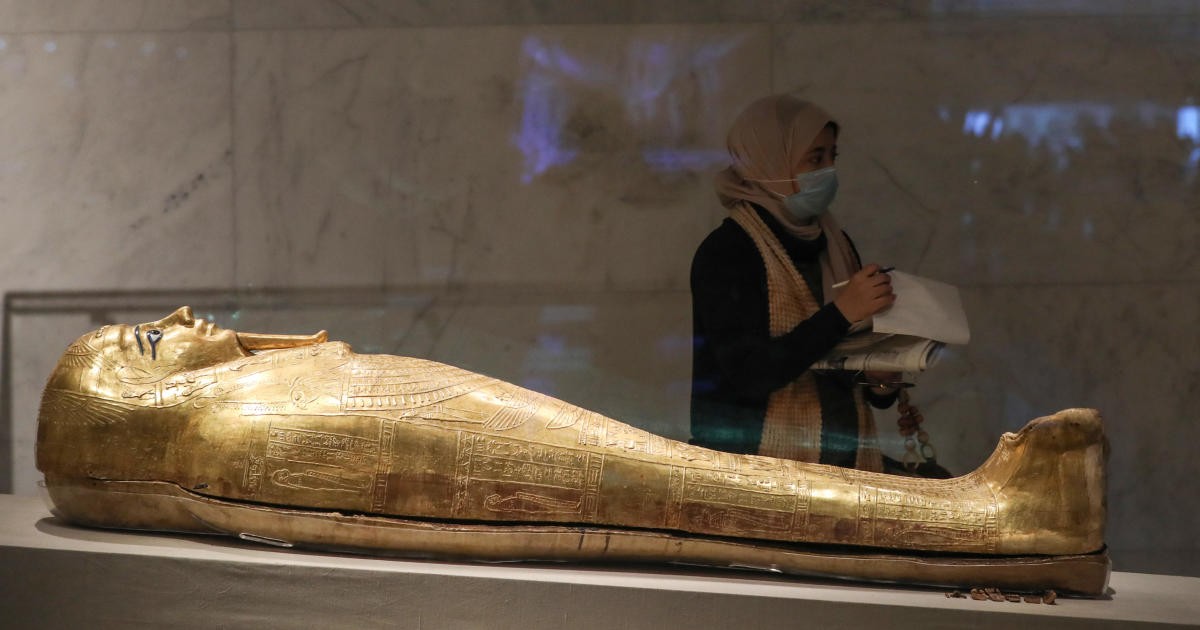
A new debate regarding the racial makeup of the ancient Egyptians has been started by the discovery of the mummy known as "the Younger Woman" in Egypt. Now laying at the Egyptian Museum is the mummy. On a visit of the Egyptian Museum, you may view her.
The mummy is allegedly Caucasian, according to some specialists, while others assert that she is African. The mummy's DNA has not yet been examined, which has further fueled the dispute.
This discussion is crucial for comprehending both the history of the ancient Egyptians and the racial origins of the human race. The Caucasian ancestry of the ancient Egyptians would indicate that Europe or Asia was where the human race first emerged. They would, however, imply that Africa is the origin of mankind if they were African. You'll have a lot of discussions and questions in your head while on one of the several Egypt sightseeing trips.
The controversy about the mummy's race is likely to continue until her DNA is finally tested. In the meanwhile, we can only speculate about who she actually is.

There is a lot of debate over the race of the ancient Egyptians. Some researchers believe that the Egyptians descended from black Africans, but others believe that they were more closely related to the Mediterranean peoples. Although there isn't a clear-cut answer at the moment, it's important to understand the many theories in order to understand Egyptian history and culture. Learn about Egyptian history from our professional tour guides by joining one of our affordable Egypt excursions.
One of the main arguments in favour of the Egyptians' black African heritage is physical anthropology. Ancient Egyptian skulls contain significant similarities to other African skulls, according to examinations.
Language evidence serves as another supporter of an African origin. The Afro-Asiatic languages, which are spoken in Africa and Asia, and the ancient Egyptian language are quite related to one another. Several academics have come to the conclusion that the Egyptians were originally black African people who subsequently migrated to Asia as a result of this.
There are, however, just as many grounds against the Egyptians having an African ancestry. One of these is archaeology-based. The great majority of ancient Egyptian antiquities seen in Egypt day tours lack any indication of African influence. This shows that if the Egyptians were black African people initially, they must have swiftly assimilated Egyptian culture after arriving in Egypt.
Genetics is a different denial of African ancestry. Egyptians of the present day are more closely connected to other Mediterranean populations than they are to black Africans, according to studies. Request one of our Egypt small group tours to learn more about the country and to visit the sights on the day trips to Luxor, Cairo, and Aswan.
Learn about our latest news, promotions, and professional tips. Know before you book your next Egypt tours
Egypt offers some of the best tours in the world, combining history, culture, and natural beauty. From exploring the Great Pyramids and the Egyptian Museum in Cairo to sailing on a luxury Nile cruise between Luxor and Aswan, every experience is unforgettable. You can also enjoy relaxing beach escapes in the Red Sea or discover ancient wonders on tailor-made Egypt tours that suit every traveler’s interests.
Your Egypt Tours is one of Egypt’s leading and most trusted travel agencies, known for its personalized service and expert care. As a top-rated company for Egypt tour packages, we ensure every Egypt trip is safe, seamless, and unforgettable, offering competitive prices, excellent customer service, and the highest standards of quality. With us, you’re always in good hands.
The average cost of a one-week trip in Egypt is around 1600 USD, including visits to tombs, temples, and a Nile cruise. Prices vary depending on the Egypt tours and the level of luxury you choose.
It’s not recommended to drink tap water in Egypt, as it’s highly chlorinated and may cause stomach issues for travelers. During your Egypt tours, it’s best to drink bottled water and use tap water only for washing or brushing your teeth.
The best time to enjoy Egypt tours is from September to March, when the weather is mild and pleasant. During these months, temperatures are ideal for sightseeing and Nile cruises. Summer (May to September) can be very hot, but it’s also a good time for budget travelers.
Egypt is generally hot and sunny most of the year, with winter falling between November and January, and summer peaking from June to August. Winters are mild, while summers can get very hot, especially in Luxor and Aswan. The pleasant weather from September to March makes it the best time to enjoy Egypt tours and explore the country's top attractions comfortably.
Yes, Egypt is a very safe country to visit, with a low crime rate and strong security measures in all tourist areas. The government ensures that accommodations and attractions remain clean and well-monitored for travelers’ comfort. When you book Egypt tours, you’ll find professional guides and organized arrangements that make your trip worry-free and enjoyable.
Egypt offers adventures for every traveler. Explore the majestic Pyramids of Giza, sail along the Nile on a Luxury cruise between Luxor and Aswan, and discover ancient temples and tombs that tell the story of the Pharaohs. Dive or snorkel in the Red Sea at Hurghada and Sharm El Sheikh, or enjoy a relaxing beach escape. Book one of our Egypt tours to experience the perfect mix of history, culture in one unforgettable journey.
Yes, you can, summer is still a great time to explore Egypt! While temperatures can rise to around 45°C, seaside resorts like Hurghada, Sharm El Sheikh, and Marsa Alam offer refreshing escapes with diving and snorkeling opportunities. Sightseeing in the early morning or evening helps you avoid the midday heat. Summer also brings great deals on hotels and services, making it ideal for travelers on a budget. Whether you’re seeking relaxation or adventure, Egypt tours during summer can still be an enjoyable and memorable experience.
Egypt has a modest dress code, especially for women, since it’s a Muslim country. Light, comfortable clothing is fine, but avoid short shorts or skirts. When visiting religious sites, cover your shoulders and knees. During Egypt tours, you can dress casually and comfortably; formal wear is optional unless you want to make your Nile cruise dinner extra special.
You can easily obtain a visa upon arrival at Cairo Airport, the process is simple for USA, UK, Canadian, Australian, and European citizens. The visa costs $25 USD and can be purchased at the visa office before immigration. You can also apply for an E-Visa through the official portal: www.visa2egypt.gov.eg. During your Egypt tours, our team can assist you with all visa-related inquiries to make your arrival smooth and stress-free.
Your Egypt Tours travel agency recommends two weeks so that you can enjoy the temples and tombs of Luxor and Aswan, explore the sights of Cairo, and relax in the Red Sea islands and nature reserves.
The best Egypt Nile River cruise depends on your preferences, budget, and how many nights you wish to spend on board. For a truly unforgettable experience, we recommend a 5-star luxury Nile cruise that offers exceptional comfort and service. If you prefer a more private and intimate journey, choose a Dahabiya Nile cruise, ideal for small groups of around 15 people. For adventurous travelers, the traditional Felucca boats provide a simple and authentic way to sail the Nile during your Egypt tours, though they offer fewer amenities.
The best time to visit Egypt is generally from October to April where it is suitable for outdoor activities and sightseeing.
Egypt travel usually have guided tours to archaeological sites, museums, and historical landmarks. Also have optional activities may include hot air balloon rides over Luxor, snorkeling in the Red Sea, or desert safaris.