Queen Nefertari was one of the most famous and powerful women of ancient Egypt. She was the wife of Ramesses II, one of the most powerful pharaohs in Egyptian history. She was also a very religious woman and built many temples and shrines for the gods and goddesses of Egypt that you will explore in Egypt tours.
Queen Nefertari was born in Thebes, Egypt around 1370 BCE. Her father was the Pharaoh Amenhotep III and her mother was Queen Tiye. She had two brothers, Prince Thutmose and Prince Amenhotep IV, who later became the Pharaoh Akhenaten. Nefertari married Ramesses II in 1254 BCE when she was about fifteen years old. They had six children together; four sons and two daughters. Ramses II built her small temple in Abu Simbel Temple beside his large temple in Aswan.
Nefertari was a very beautiful woman and she is often depicted in art wearing lavish jewelry and clothing. She also wore a lot of makeup, including dark eyeliner and bright red lipstick. She was very influential at court and is thought to have played a key role in many of Ramesses II’s decisions. Explore a lot of attractions in Egypt day tours that reflect the history of Nefertari.
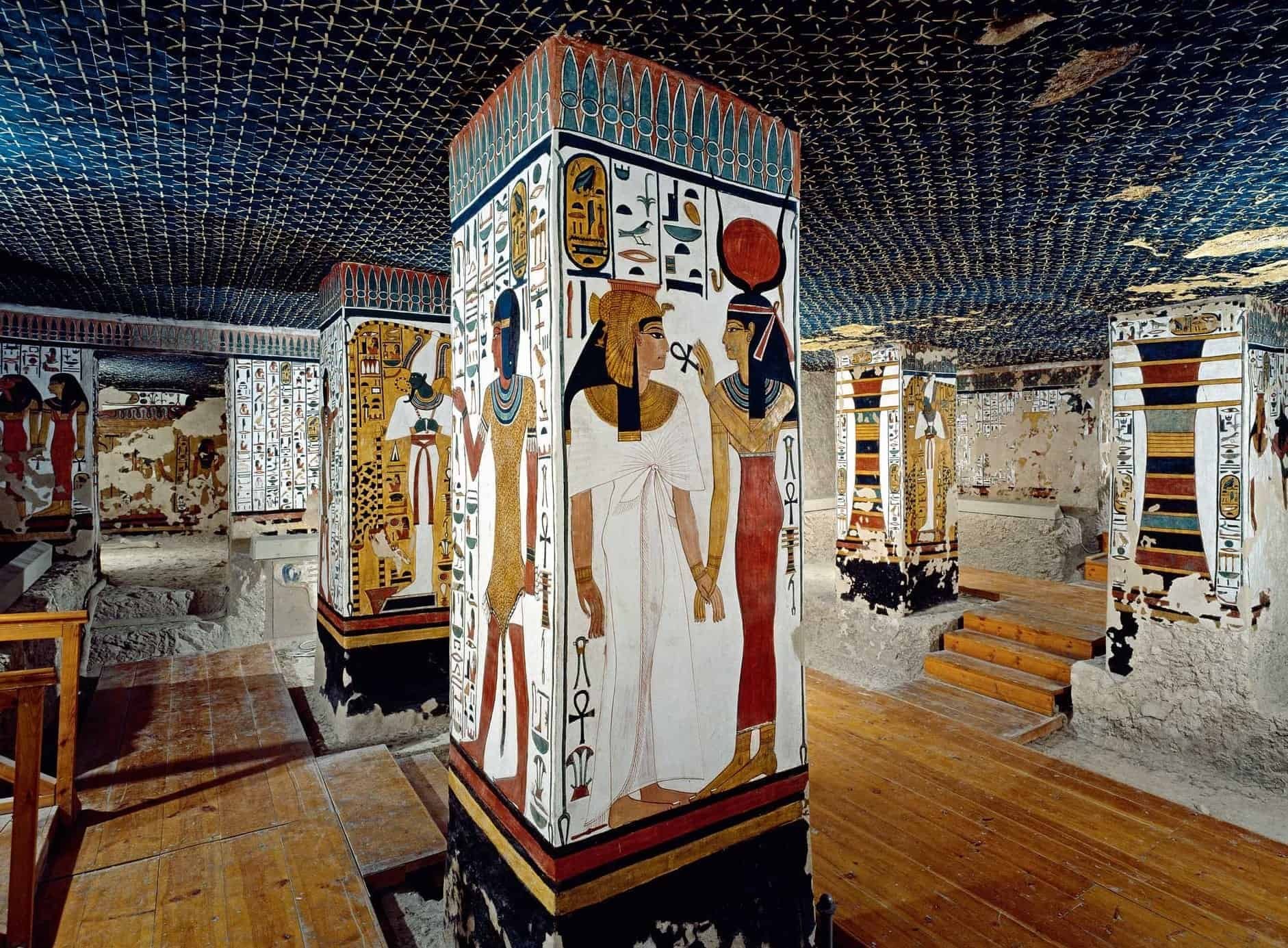
Queen Nefertari died around 1240 BCE, although the exact cause of her death is unknown. After her death, Ramesses II married several other wives but none of them were as important to him as Nefertari had been. He built her a magnificent tomb in the Valley of the Queens which is now one of the most popular tourist attractions in Luxor day tours. You can visit her beautiful tomb in the Valley of Queens on Luxor west bank tour.
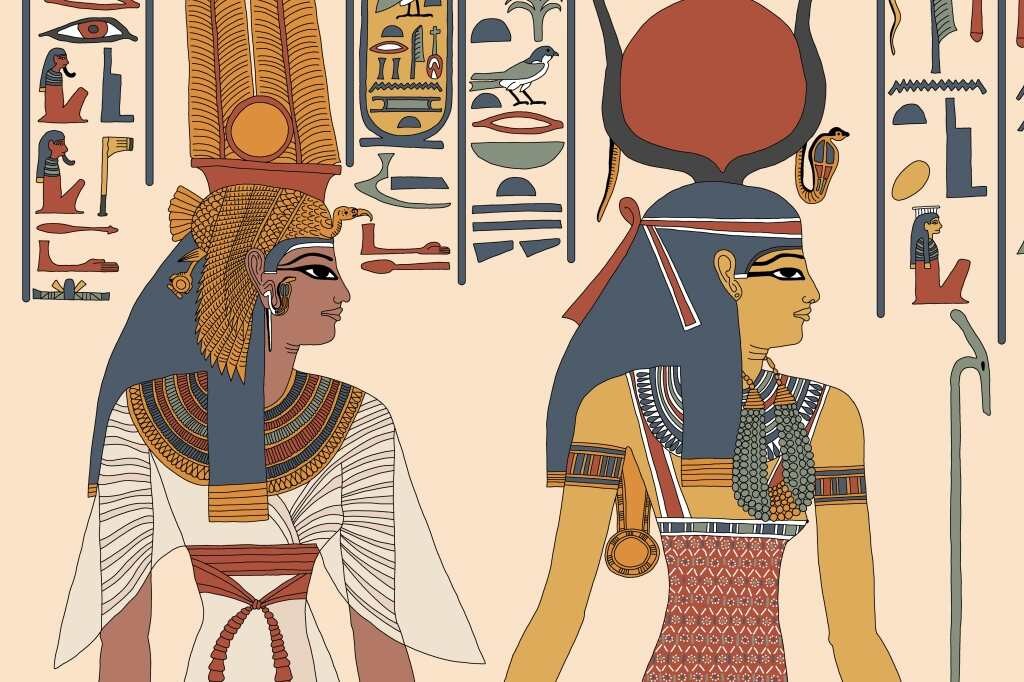
Queen Nefertari was one of the most persuasive and influential ladies of her time. She was not just the spouse of the incomparable Pharaoh Ramses II, yet in addition an official, a priestess, and a sovereign by her own doing. She held many titles and honorifics during her lifetime, which mirrored her high status and significance. The sanctuary of Abu Simbel depicts the amount Ruler Ramses II adored her, you will be dazzled by visiting it during your Aswan day tours.
A portion of the titles that Queen Nefertari held included: "The Incomparable Illustrious Spouse", "Paramour of Upper and Lower Egypt", "Woman of The Two Grounds", " Girl of Ra", "Sister of Amun", "God's Wife". These titles mirror her job as both a political and strict nonentity in Old Egypt.
Queen Nefertari was likewise known for her excellence, and she was much of the time portrayed in fine arts and sculptures as a delightful young lady. She was even given the title "The most lovely lady on the planet" by Ramses II himself. In the Abu Simbel tour, you will find the most lovely three status for Queen Nefertari wearing a wonderful dress
Queen Nefertari's impact reached out past Old Egypt. She is as yet recalled and loved today as quite possibly of the main sovereign in history our local escort will tell about Egypt tour packages.
Among all the important and powerful women in ancient Egypt, Queen Nefertari was one of the most powerful. As Ramses II's wife, she had a significant impact on the pharaoh's decisions. Nefertari was an accomplished diplomat who mediated numerous significant accords on her husband's behalf. During a visit from tour from Aswan to Abu Simbel, learn more about the marriage of King Ramses II and his wife Queen Nefertari.
The Abu Simbel temple was built by Ramses II to honor his wife, Nefertari. The temple is located in southern Egypt, near the Sudan border. It consists of two massive statues of Ramses II, flanked by smaller statues of Nefertari and their children. Inside the temple are reliefs depicting scenes from Ramses' military campaigns, as well as images of the royal family making offerings to the gods. Sail with your Egypt Nile Cruises and stop at Abu Simbel Temple to save this piece of art in your mind.
The Abu Simbel temple is a testament to the power and influence of Queen Nefertari. She was an important figure in her husband's reign, and she played a vital role in Ancient Egyptian politics and diplomacy. And now, the temple becomes the main icon of Egypt luxury tours.
One of the most well-known and influential ladies of her era was Queen Nefertari. She served as co-regent and the wife of Pharaoh Ramses II. Along with overseeing the construction of several temples and monuments, Queen Nefertari was a devoted supporter of the arts. One of the most exquisite and well-preserved tombs in all of ancient Egypt is hers, and it is situated in the Valley of the Queens, which can be seen from the highest point on the hot air balloon tour in Luxor.
Some of the most beautiful and well-preserved ancient Egyptian artwork may be seen on the walls of Queen Nefertari's tomb. Brightly painted reliefs of events from the life of Queen Nefertari, including her journeys, religious rituals, and daily life at court, are adorning the walls. Several sculptures of Queen Nefertari, depicting her in a variety of roles including queen, mother, and goddess, may also be found in the tomb. To view how the tomb of Queen Nefertari is gorgeous, including the Valley of Queens in your classic tours in Egypt .
Visiting Queen Nefertari's tomb is a truly unique experience of Egypt cultural tours that allow visitors to step back in time and experience the beauty and grandeur of ancient Egypt.
Start From: 2250$
Start From: 5600$
Start From: 7500$
Start From: 9720$
Start From: 5550$
Start From: 9185$
Start From: 325$
Start From: 3210$
Start From: 140$
Find out our latest news, promotions, and professional tips. Know before you book your next Egypt tours
Queen Nefertari was the Great Royal Wife of Pharaoh Ramses II and one of the most influential queens of ancient Egypt.
Queen Nefertari is buried in Tomb QV66 in the Valley of the Queens, located near Luxor, Egypt.
Ramses II built the temple at Abu Simbel to honor Queen Nefertari and show his respect for her importance as his wife and queen.
Her tomb is famous for its beautifully preserved wall paintings, detailed artwork, and exceptional artistic quality.
Yes, visitors can access the tomb when it is open, usually with limited entry to protect the ancient artwork.
Queen Nefertari continues to be admired more than 3,000 years after her lifetime because of her beauty, intelligence, influence, and remarkable legacy.