Un viaje a través de 2.300 años de historia, mitología y civilizaciones.
Algunas ciudades conservan su historia en museos.
Y existen ciudades donde la historia sigue viva bajo tus pies. Alejandría pertenece a esta segunda categoría.
Situada a orillas del mar Mediterráneo, Alejandría suele ser recordada por su costa, su corniche (paseo marítimo) y su famosa biblioteca. Sin embargo, más allá de las olas se esconde una historia mucho más profunda: una historia tallada en tumbas, templos, santuarios olvidados y pasadizos subterráneos.
Pocos lugares en la Tierra permiten a los visitantes recorrer más de veintitrés siglos de historia ininterrumpida en un solo viaje.
En Alejandría, cada capa de la ciudad revela una civilización diferente.
Y desde aquí, generaciones de eruditos intentaron comprender el mundo.
Los cementerios y necrópolis de la ciudad no son simplemente lugares de enterramiento. Son archivos históricos escritos en piedra, que revelan cómo distintas culturas entendían la vida, la muerte, la eternidad y el conocimiento mismo.
Para comprender las tumbas de Alejandría, primero hay que comprender la propia ciudad.
La historia comienza en el año 331 a. C.
Un joven conquistador macedonio llamado Alejandro Magno (Ἀλέξανδρος ὁ Μέγας) llegó a Egipto tras una serie de victorias militares que cambiaron el mundo antiguo.
A diferencia de muchos gobernantes que simplemente conquistaban territorios, Alejandro imaginó algo mucho más grande.
Quería una ciudad que conectara civilizaciones.
Una ciudad donde Oriente se encontrara con Occidente.
Una ciudad donde el comercio, la cultura y el conocimiento pudieran prosperar juntos.
En una estrecha franja de tierra situada entre el mar Mediterráneo y el lago Mareotis, fundó Alejandría.
Aunque Alejandro no viviría lo suficiente para ver a su ciudad alcanzar la grandeza, su visión transformaría la historia.
Tras su muerte, Egipto pasó a estar bajo el gobierno de los Ptolomeos, quienes convirtieron Alejandría en la capital intelectual del mundo antiguo.
La primera gran institución de investigación
Mucho antes de que existieran las universidades modernas, Alejandría creó algo verdaderamente extraordinario: el Mouseion (Μουσεῖον).
La palabra proviene de las “Musas”, las divinidades griegas protectoras del conocimiento y la creatividad.
El Mouseion (Μουσεῖον) era mucho más que un templo.
Funcionaba simultáneamente como centro de investigación, academia, biblioteca e institución científica.
Los eruditos residían allí de forma permanente.
Recibían salarios financiados por el Estado.
Además, se les proporcionaban alojamiento, alimentación, salas de conferencias, jardines, laboratorios y espacios dedicados a la investigación.
Para muchos historiadores, representa una de las primeras instituciones de investigación organizadas de la historia de la humanidad.
Dentro de sus instalaciones, los estudiosos debatían y desarrollaban conocimientos en astronomía, medicina, matemáticas, literatura, filosofía, geografía e ingeniería.
La palabra moderna “museo” tiene, en última instancia, su origen en esta extraordinaria institución.
Guardianas del conocimiento y la inspiración
El Mouseion (Μουσεῖον) estaba dedicado a Αἱ ἐννέα Μοῦσαι (las Nueve Musas) de la mitología griega.
Estas figuras divinas representaban todas las ramas del logro artístico e intelectual.
Cada Musa inspiraba una disciplina diferente:
Καλλιόπη (Calíope) → Inspiraba la poesía épica.
Κλειώ (Clío) → Inspiraba la Historia.
Εὐτέρπη (Euterpe) → Inspiraba la música.
Μελπομένη (Melpómene) → Inspiraba la tragedia.
Θάλεια (Talía) → Inspiraba la comedia.
Τερψιχόρη (Terpsícore) → Inspiraba la danza.
Ἐρατώ (Erato) → Inspiraba la poesía lírica.
Πολύμνια (Polimnia) → Inspiraba los himnos sagrados.
Οὐρανία (Urania) → Inspiraba la astronomía.
Para los antiguos griegos, el conocimiento no era simplemente algo que se adquiría.
Era una fuente de inspiración.
Cada descubrimiento se consideraba un regalo del mundo divino.
Y ningún lugar encarnó esa creencia de manera más completa que Alejandría.
Bajo la protección de estas divinas patronas del conocimiento, las artes, la música, la poesía, la historia y la astronomía, el Mouseion de Alejandría se convirtió en uno de los mayores centros de aprendizaje del mundo antiguo.
La mayor colección de conocimiento de la humanidad
Junto al Mouseion se alzaba la biblioteca más famosa jamás creada: la Antigua Biblioteca de Alejandría.
Su ambición era extraordinaria.
Reunir todo el conocimiento humano bajo un mismo techo.
Libros y rollos de papiro llegaban desde todos los rincones del mundo conocido.
Según las fuentes históricas, los barcos que entraban en el puerto de Alejandría eran inspeccionados en busca de manuscritos.
Se hacían copias.
Se traducían textos.
Se preservaba el conocimiento.
La biblioteca se convirtió en un poderoso imán para eruditos procedentes de Grecia, Egipto, Persia, India y muchas otras regiones.
Durante siglos, Alejandría fue el centro intelectual de la civilización.
En Alejandría trabajaron algunas de las mentes más brillantes de la historia.
Su obra sobre geometría se convirtió en la base de las matemáticas durante más de dos mil años.
Utilizando únicamente sombras y cálculos matemáticos, logró calcular la circunferencia de la Tierra con una precisión asombrosa.
Casi 1.800 años antes de Copérnico, propuso que la Tierra giraba alrededor del Sol.
Fue uno de los primeros pioneros de la anatomía y la ciencia médica.
Sus descubrimientos ayudaron a moldear el mundo en el que vivimos hoy.
Y todos ellos desarrollaron su trabajo dentro del extraordinario entorno intelectual de Alejandría.
Un dios creado para unir civilizaciones
A medida que Alejandría crecía, los gobernantes ptolemaicos se enfrentaron a un desafío.
¿Cómo podían unir a los colonos griegos y a los egipcios nativos bajo una misma identidad cultural?
Su respuesta fue Serapis (Σάραπις).
Serapis fue una deidad única creada mediante la combinación de elementos de las tradiciones religiosas egipcias y griegas.
Σάραπις (Serapis) → Una deidad greco-egipcia creada durante el período ptolemaico para unir las tradiciones religiosas griegas y egipcias. Serapis combinaba las características de Osiris y Apis con aspectos de dioses griegos como Zeus y Hades, convirtiéndose en una de las divinidades más importantes de Alejandría.
Serapis incorporaba atributos de:
Osiris → Dios del más allá, la resurrección y la vida eterna en la religión del antiguo Egipto. Se creía que juzgaba las almas de los muertos y les concedía el renacimiento en la otra vida.
Apis → El toro sagrado del antiguo Egipto, asociado con la fuerza, la fertilidad y el poder divino. Apis era considerado una manifestación viviente de los dioses y era venerado como símbolo de prosperidad y protección.
Ζεύς (Zeus) → Rey de los dioses griegos y gobernante del Monte Olimpo. Era el dios del cielo, el trueno, el rayo, la ley y la justicia, y se le consideraba la deidad suprema de la mitología griega.
Ἅιδης (Hades) → Dios del Inframundo y gobernante del reino de los muertos. A diferencia de la percepción moderna que a menudo lo presenta como una figura maligna, Hades era principalmente responsable de mantener el orden entre las almas de los difuntos y supervisar la vida después de la muerte.
El resultado fue una deidad aceptada por ambas culturas.
Para honrarlo, los gobernantes ptolemaicos construyeron el magnífico Serapeo de Alejandría.
Σεραπείον (Serapeo) → Fue el gran templo dedicado a Serapis en Alejandría. No solo funcionó como centro religioso, sino también como una importante institución cultural e intelectual que albergaba una famosa biblioteca filial asociada con la Gran Biblioteca de Alejandría. Antes de su destrucción a finales del siglo IV d. C., el Serapeo fue considerado uno de los monumentos más impresionantes del mundo mediterráneo antiguo.
Cuando Alejandro Magno murió en el año 323 a. C., su vasto imperio fue dividido entre sus generales. Egipto quedó bajo el control de Ptolomeo I Sóter, un hombre que comprendió rápidamente que gobernar Egipto no sería una tarea sencilla.
Alejandría estaba creciendo hasta convertirse en una ciudad magnífica, pero bajo su prosperidad existía un gran desafío. Egipcios y griegos vivían uno al lado del otro, aunque pertenecían a mundos diferentes.
Los egipcios adoraban a dioses ancestrales cuyas historias se remontaban a miles de años. Honraban a Osiris, señor del Más Allá, y veneraban a Apis, el toro sagrado que simbolizaba el poder divino y la fertilidad.
Los griegos, por su parte, dirigían sus plegarias a Ζεύς (Zeus), rey de los dioses, y a ᾍδης (Hades), gobernante del Inframundo. Sus templos, mitos y tradiciones eran completamente distintos.
Ptolomeo comprendió que, si Alejandría iba a convertirse en la capital de un nuevo reino, sus habitantes necesitaban algo capaz de unirlos.
No un ejército.
No una ley.
Sino un símbolo compartido.
Y así nació uno de los proyectos religiosos más ambiciosos del mundo antiguo.
El surgimiento de un nuevo dios
Apareció una nueva deidad: Σάραπις (Serapis).
Fue concebido cuidadosamente para conectar con ambas culturas al mismo tiempo. Para los egipcios, encarnaba el espíritu de Osiris y Apis. Para los griegos, su apariencia recordaba a los dioses poderosos y nobles que ya conocían. Era familiar, pero nuevo; diferente, pero reconocible.
Por primera vez, egipcios y griegos podían presentarse ante la misma divinidad.
Pero todo gran dios necesitaba una gran morada.
Y Alejandría estaba dispuesta a ofrecerle una como nunca antes se había visto en el Mediterráneo.
El magnífico Serapeo
Elevándose sobre la ciudad se alzaba el majestuoso Σεραπείον (Serapeo).
Sus imponentes columnas podían verse desde la distancia. Los peregrinos ascendían por sus escalinatas. Los sacerdotes realizaban rituales sagrados en sus salas. Los filósofos debatían ideas bajo su sombra. Los eruditos recorrían sus patios portando rollos y conocimientos procedentes de todos los rincones del mundo conocido.
El Serapeo se convirtió en mucho más que un templo.
Era un símbolo de la propia Alejandría.
Un lugar donde Egipto se encontraba con Grecia.
Donde la religión se encontraba con la filosofía.
Donde la tradición se encontraba con la innovación.
Algunos autores antiguos lo describieron incluso como uno de los santuarios más impresionantes del mundo antiguo, comparable únicamente con algunos de los monumentos más grandiosos de la Antigüedad.
Un centro de conocimiento y espiritualidad
Durante siglos, el Serapeo permaneció como un recordatorio de la identidad única de Alejandría. Reflejaba una ciudad que se negaba a pertenecer a una sola cultura y que, en cambio, eligió convertirse en un punto de encuentro entre civilizaciones.
Situado sobre una colina que dominaba la ciudad, el Serapeo llegó a ser uno de los complejos religiosos más grandes del Mediterráneo. Pero era mucho más que un templo.
También albergaba una importante rama del sistema bibliotecario de Alejandría.
Allí estudiaban los estudiantes.
Allí debatían los eruditos.
Allí se copiaban los libros.
El conocimiento y la espiritualidad coexistían lado a lado.
El legado de Serapis y el Serapeo
En última instancia, Σάραπις (Serapis) y el Σεραπείον (Serapeo) ocuparon el corazón de la identidad multicultural de Alejandría.
Juntos representaban el sueño ptolemaico de armonía entre las civilizaciones egipcia y griega. Serapis se convirtió en un símbolo divino de unidad, mientras que el Serapeo fue un magnífico santuario donde la religión, la filosofía y el conocimiento florecieron conjuntamente, contribuyendo a convertir a Alejandría en una de las ciudades más influyentes del mundo antiguo.
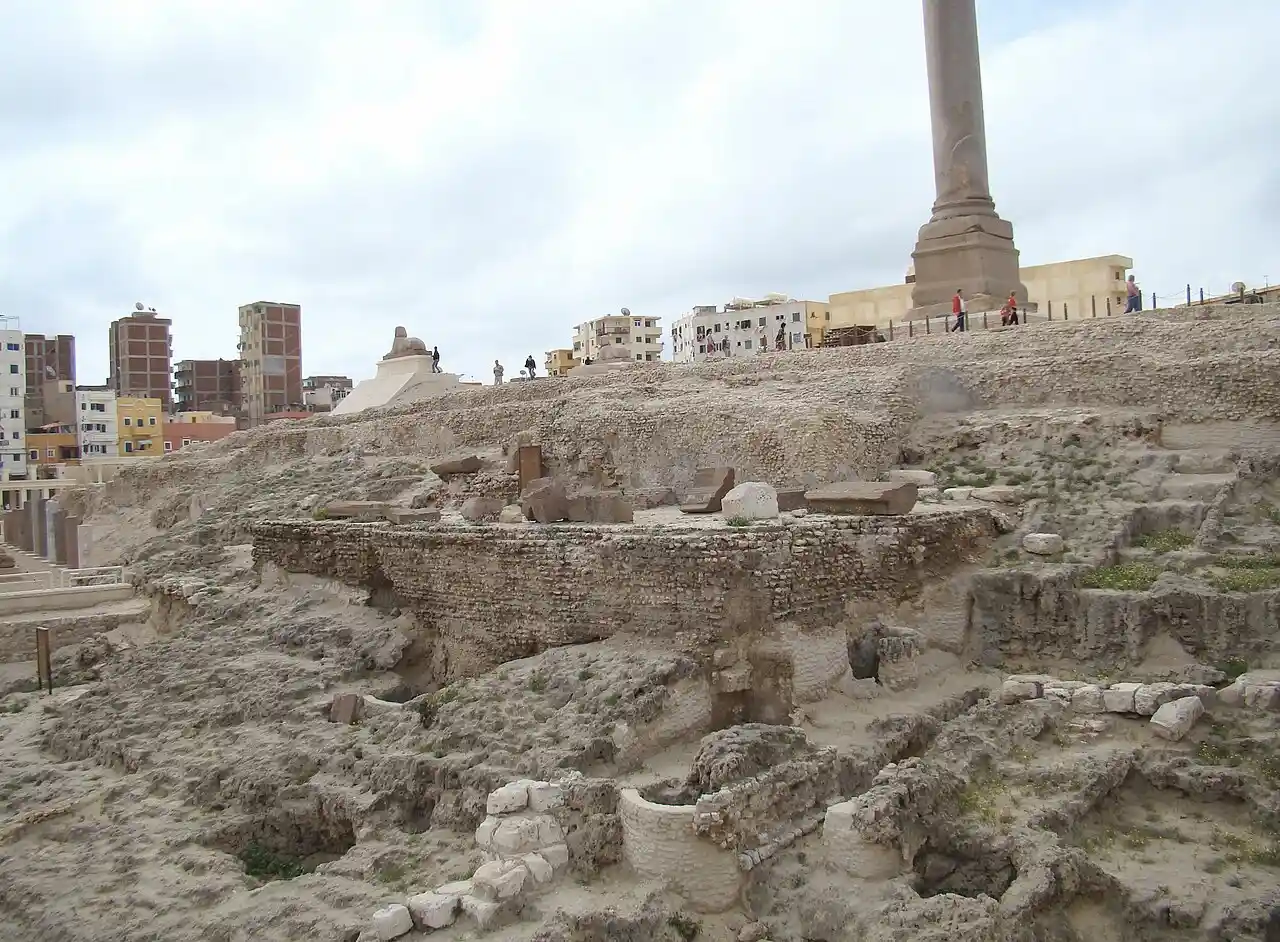
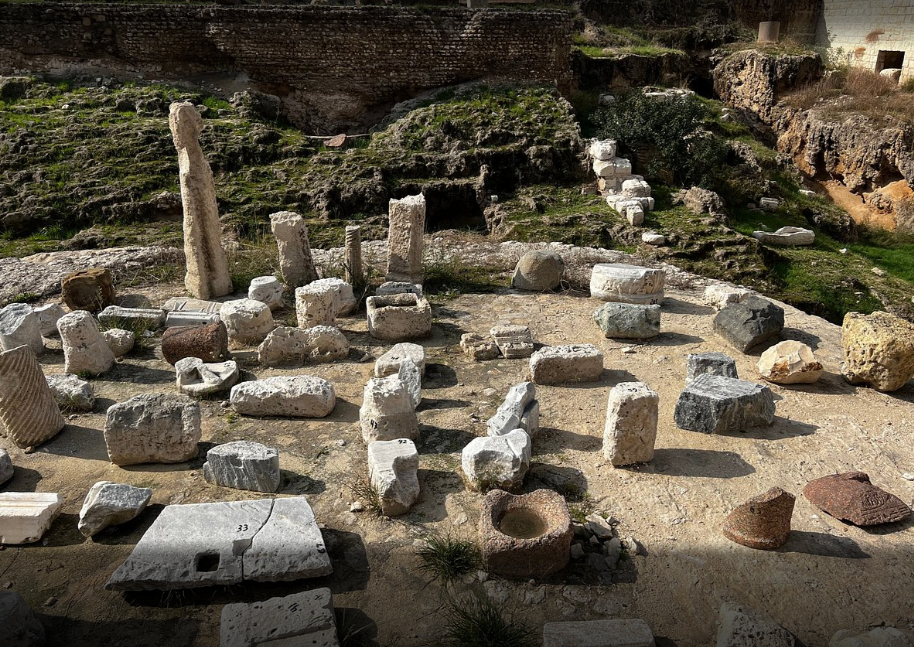
Hoy en día, solo permanecen algunos vestigios.
Una columna solitaria se eleva hacia el cielo, mientras que piedras dispersas sugieren la grandeza que una vez existió.
Sin embargo, la idea que dio origen a Serapis y al Serapeo nunca desapareció por completo.
Sigue viva en la historia de Alejandría, una ciudad construida sobre la convicción de que diferentes culturas, tradiciones y pueblos pueden unirse para crear algo más grande de lo que cualquiera de ellos podría lograr por sí solo.
La Alejandría más antigua bajo tierra
Siglos después, surgió otro capítulo en la historia de Alejandría.
Oculta bajo la Alejandría moderna se encuentra la antigua Necrópolis de Chatby, uno de los yacimientos funerarios más antiguos de la ciudad.
Datada a finales del siglo IV a. C., esta necrópolis constituye uno de los primeros lugares de enterramiento establecidos en Alejandría.
Las tumbas pertenecían principalmente a los colonos griegos que llegaron tras la conquista de Alejandro Magno.
Su arquitectura refleja claramente las tradiciones del mundo helenístico.
Columnas, salas ceremoniales y cámaras funerarias muestran cómo los primeros habitantes de Alejandría concebían la muerte y el más allá.
A diferencia de los antiguos egipcios, algunos griegos practicaban la cremación.
Las cenizas eran depositadas en urnas y conservadas en espacios funerarios cuidadosamente diseñados.
La Necrópolis de Chatby ofrece una de las ventanas más claras y valiosas para comprender los primeros días de la historia de Alejandría.
Bajo sus estructuras subterráneas se conserva el legado de aquellos pioneros que ayudaron a transformar el sueño de Alejandro en una de las ciudades más extraordinarias del mundo antiguo.
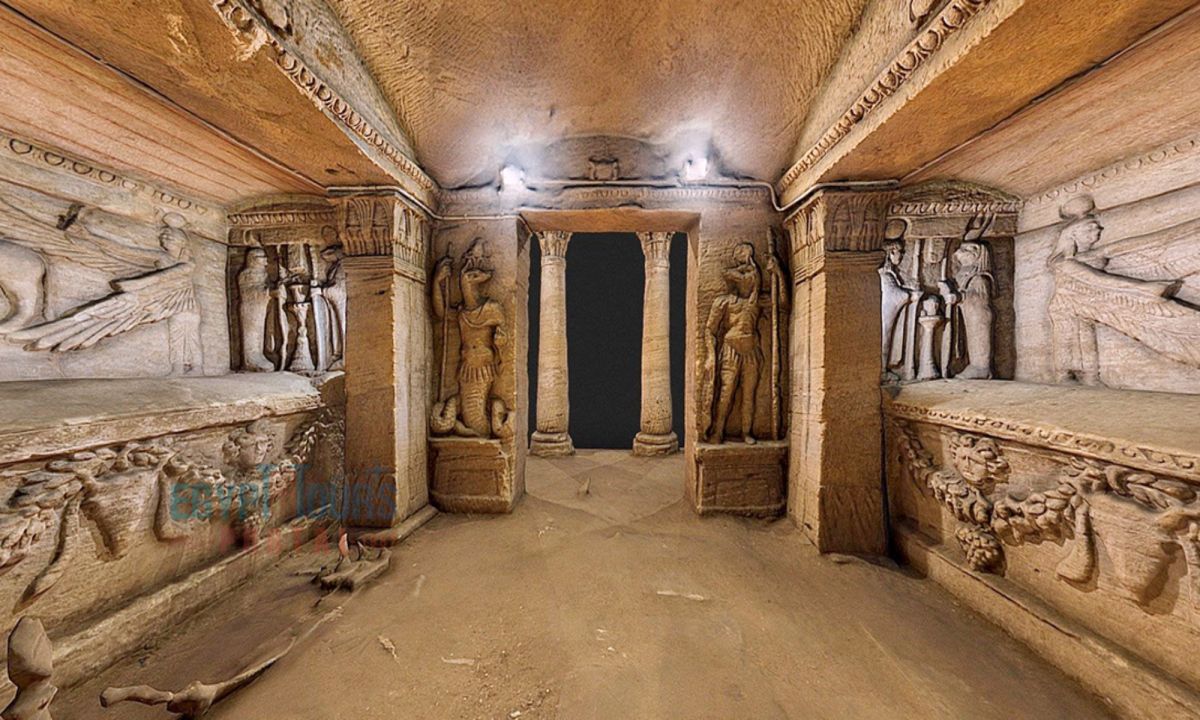
Ningún sitio ilustra mejor la fusión cultural de Alejandría que las famosas Catacumbas de Kom El Shoqafa.
Datadas en el siglo II d. C., estas catacumbas subterráneas comenzaron como una tumba familiar antes de expandirse hasta convertirse en un vasto complejo funerario.
Descender a Kom El Shoqafa es como entrar en otro mundo.
Escaleras de caracol conducen hacia las profundidades, a cámaras iluminadas únicamente por la tenue luz que se filtra desde la superficie.
Cada muro cuenta una historia.
Pero el aspecto más extraordinario no es su arquitectura.
Es la fusión de culturas.
Dioses egipcios aparecen representados con vestimentas romanas.
Los estilos artísticos griegos se mezclan con las creencias religiosas egipcias.
Elementos decorativos romanos rodean los tradicionales símbolos egipcios de la eternidad.
El resultado es uno de los ejemplos más impresionantes de mestizaje cultural del mundo antiguo.
Anubis, Medusa y los guardianes de los muertos
En el interior de Kom El Shoqafa, los visitantes encuentran símbolos procedentes de múltiples civilizaciones.
Anubis
Anubis aparece representado vistiendo atuendos militares romanos.
Una poderosa imagen de integración cultural que refleja la unión entre las tradiciones egipcias y romanas.
Medusa (Μέδουσα)
Medusa aparece como una figura protectora.
Los antiguos griegos creían que su imagen tenía el poder de alejar el mal y proteger a los vivos y a los muertos.
Agathodaemon (Ἀγαθοδαίμων)
Agathodaemon, representado con frecuencia como una serpiente sagrada, simbolizaba la prosperidad, la buena fortuna y la protección.
Juntas, estas figuras muestran cómo Alejandría absorbió influencias de todas las civilizaciones que llegaron a sus costas.
Los cementerios griegos de la Alejandría moderna
Avancemos ahora casi dos mil años en el tiempo.
Durante los siglos XIX y principios del XX, Alejandría vivió una nueva edad de oro.
La ciudad se convirtió en uno de los puertos más cosmopolitas del Mediterráneo.
Entre sus comunidades más numerosas e influyentes se encontraba la griega.
Prósperos comerciantes, banqueros, industriales y magnates navieros construyeron sus vidas y fortunas en Alejandría.
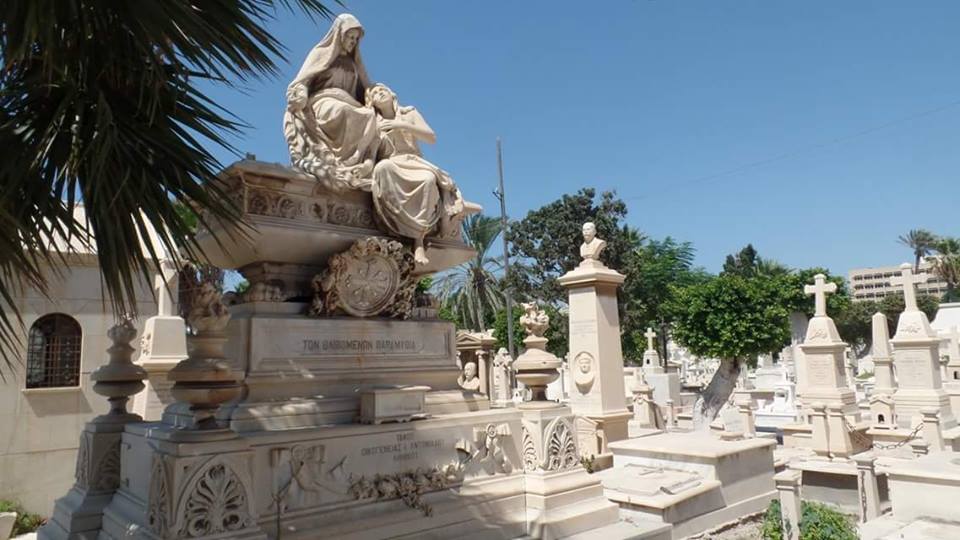
Su lugar de descanso final serían los hermosos cementerios griegos de Chatby, testimonio de una comunidad que desempeñó un papel fundamental en la historia moderna de la ciudad.
Así como los primeros colonos griegos dejaron su huella en las antiguas necrópolis, las generaciones posteriores también encontraron en Alejandría un hogar, perpetuando una conexión que había comenzado más de dos mil años antes con la llegada de Alejandro Magno.
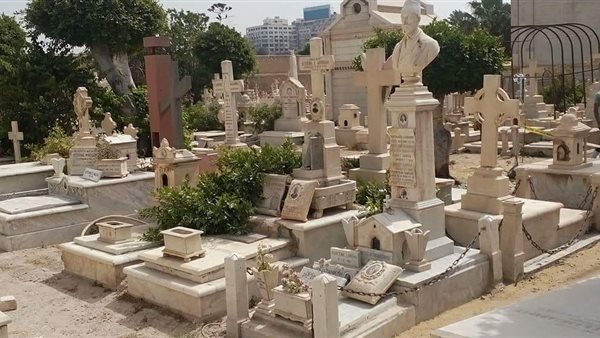
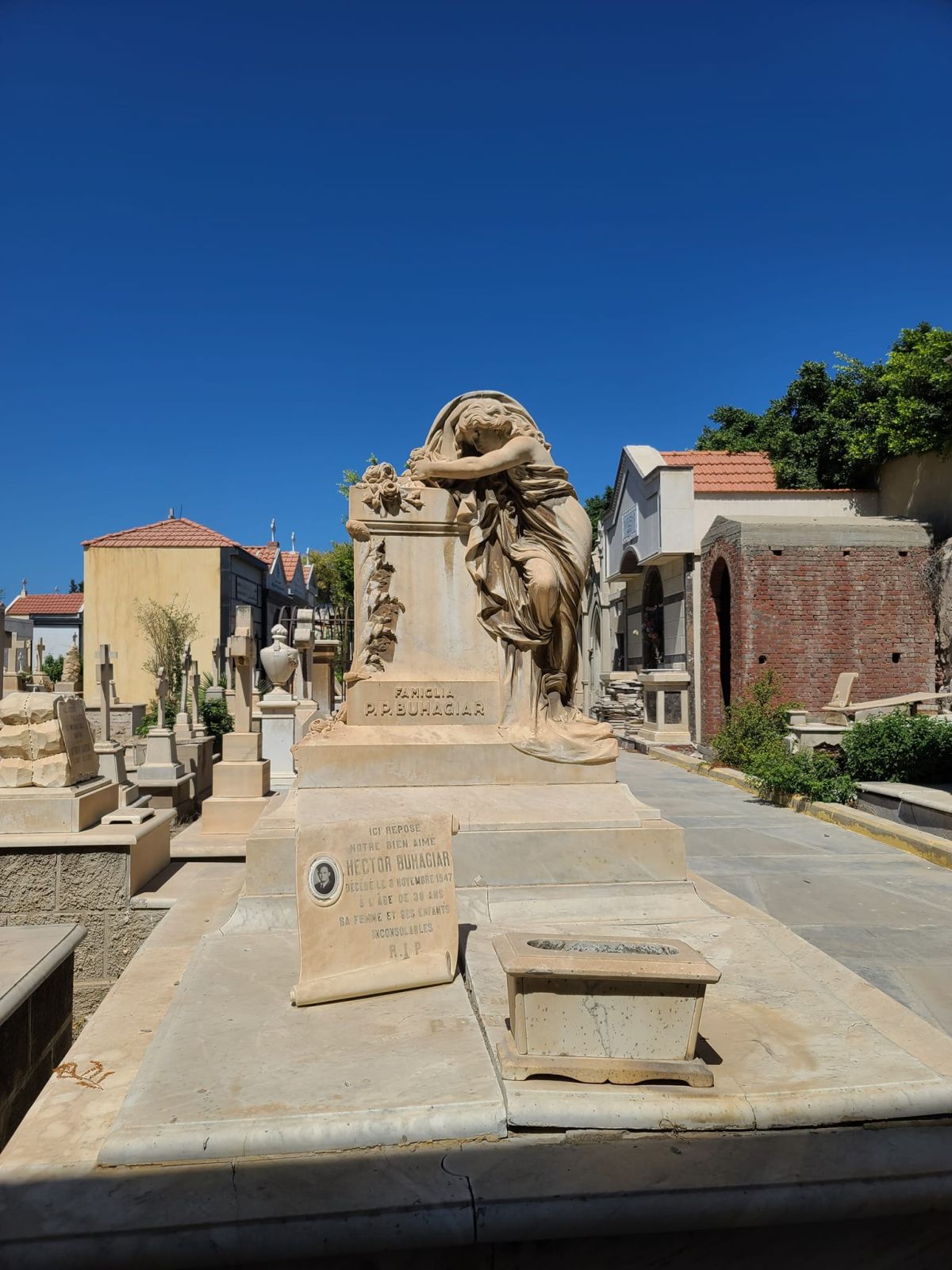
Cada monumento refleja la riqueza, la influencia y la sofisticación de la comunidad griega de Alejandría.
Constantino Cavafis y el alma de Alejandría
Entre las figuras más célebres asociadas con Alejandría se encuentra Constantino P. Cavafis.
Su poesía capturó la atmósfera única de la ciudad mejor que quizás cualquier otro escritor.
A través de sus versos, antiguos reyes, héroes olvidados, filósofos y ciudadanos comunes volvían a la vida.
Para Cavafis, Alejandría nunca fue simplemente una ciudad.
Era una conversación viva entre el pasado y el presente.
Sus obras continúan inspirando a lectores de todo el mundo.
Es el legado de Europa en suelo egipcio
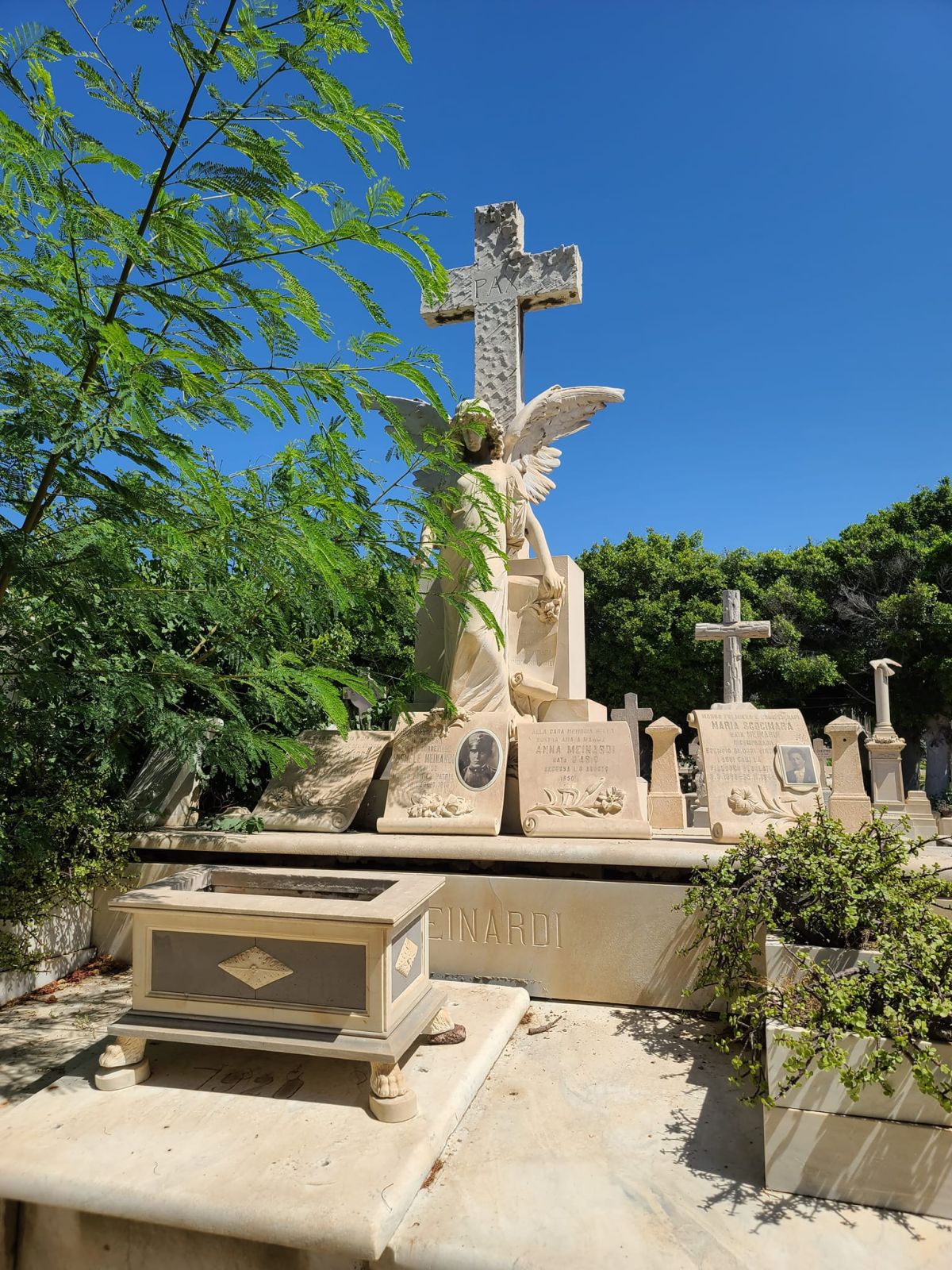
Cerca de los cementerios griegos se encuentran los cementerios católicos latinos.
Estos lugares de enterramiento pertenecen principalmente a las comunidades italiana, francesa y otras comunidades católicas que alguna vez llamaron hogar a Alejandría.
Aquí los visitantes encuentran:
La atmósfera se siente más cercana a Roma o París que al Egipto moderno.
Sin embargo, siguen siendo inconfundiblemente alejandrinos.
Un recordatorio de la extraordinaria diversidad de la ciudad.
Los cementerios militares: ecos de conflictos globales
La historia de Alejandría no se detuvo en la Antigüedad.
Durante ambas Guerras Mundiales, la ciudad sirvió como un importante centro militar y naval.
Hoy, los cementerios militares preservan la memoria de soldados procedentes de Gran Bretaña, Australia, Nueva Zelanda y otras naciones de la Commonwealth.
Estos tranquilos paisajes cuentan una historia diferente.
No una historia de mitología.
Sino una historia de sacrificio, recuerdo e historia moderna.
Alejandría entre el mito y la realidad
Quizás este sea el mayor secreto de Alejandría.
Siempre ha existido en algún punto entre la historia y la leyenda.
Alejandro la soñó.
Los Ptolomeos la construyeron.
Las Musas la inspiraron.
Los eruditos la transformaron.
Los dioses la protegieron.
Los poetas la inmortalizaron.
En Alejandría, la mitología nunca está lejos de la realidad.
Un visitante puede pasar la mañana explorando las leyendas griegas de Hades y Perséfone, la tarde descendiendo a catacumbas romanas custodiadas por Anubis y Medusa, y la noche leyendo poesía inspirada por una ciudad que nunca ha dejado de reinventarse.
Pocos lugares ofrecen una experiencia semejante.
Constantino P. Cavafis
Κωνσταντίνος Πέτρου Καβάφης
¿Quién fue Cavafis? Hablemos de él en detalle
El poeta que se negó a dejar morir a Alejandría
Pasaron los siglos.
Los templos desaparecieron.
El Serapeo se desvaneció.
Los eruditos del Mouseion se convirtieron en nombres escritos en antiguos manuscritos.
Y, sin embargo, Alejandría nunca desapareció realmente.
A finales del siglo XIX, una figura discreta recorría las mismas calles por las que alguna vez habían pasado griegos, romanos, egipcios, filósofos, comerciantes y reyes.
Su nombre era Κωνσταντίνος Πέτρου Καβάφης (Constantino P. Cavafis).
Nacido en Alejandría en 1863, Cavafis pasó la mayor parte de su vida en la ciudad. A diferencia de muchos escritores que dirigían su mirada hacia el futuro,
él miraba hacia atrás, hacia el mundo olvidado que había convertido a Alejandría en la capital intelectual del Mediterráneo.
Para Cavafis, la historia nunca estaba muerta.
Cuando caminaba por Alejandría, no veía calles corrientes. Veía las sombras de reyes y reinas, filósofos y generales. Imaginaba los últimos días de los Ptolomeos, las ambiciones de los gobernantes, los triunfos de los ejércitos y las tragedias silenciosas ocultas tras los muros de los palacios.
A través de su poesía, la antigua Alejandría volvió a la vida.
Los reyes, reinas y héroes de su poesía
Muchos de los poemas más célebres de Cavafis estuvieron inspirados en figuras relacionadas con Alejandría y el mundo helenístico.
Escribió sobre:
Uno de sus poemas más famosos, El dios abandona a Antonio, recrea las dramáticas últimas horas antes de que Alejandría cayera en manos de Octavio. Más que describir una derrota militar, Cavafis transformó el acontecimiento en una profunda reflexión humana sobre la dignidad, la pérdida y la aceptación.
Leer el poema se siente menos como estudiar historia y más como estar al lado de Antonio mientras una era llega a su fin.
Ítaca: un viaje más allá de la geografía
Entre todas sus obras, ninguna alcanzó tanta fama como Ιθάκη (Ítaca).
Inspirado por Ὀδυσσεύς (Odiseo) y su legendario regreso a casa tras la Guerra de Troya, el poema enseña que el verdadero valor de la vida no reside en el destino final, sino en las experiencias acumuladas durante el camino.
Para muchos viajeros, Ítaca se ha convertido en uno de los poemas más queridos jamás escritos porque transforma un antiguo mito griego en una lección universal sobre la vida.
Los grandes mitos que dieron forma a Alejandría
A medida que Alejandría se convirtió en una encrucijada de civilizaciones, las historias de la mitología griega viajaron con ella.
Entre las más influyentes se encontraban:
Ζεύς (Zeus)
El rey de los dioses olímpicos y gobernante de los cielos.
Antiguas leyendas afirmaban incluso que Alejandro Magno era hijo de Zeus, reforzando la idea de que su destino estaba guiado por el poder divino.
Ἅιδης (Hades)
Señor del Inframundo y gobernante del reino de los muertos.
Las creencias relacionadas con Hades influyeron en muchas tradiciones funerarias griegas que más tarde aparecieron en los primeros cementerios de Alejandría, incluida la Necrópolis de Chatby.
Περσεφόνη (Perséfone)
Reina del Inframundo e hija de Deméter.
Su regreso anual desde el reino de Hades se convirtió en un poderoso símbolo de renacimiento, renovación y del eterno ciclo de la vida y la muerte.
Μέδουσα (Medusa)
Quizás la figura protectora más famosa de la mitología griega.
Su imagen aparecía con frecuencia en tumbas, templos y monumentos de todo el mundo griego y romano porque se creía que alejaba el mal y protegía los lugares sagrados.
Ἀγαθοδαίμων (Agathodaemon)
El espíritu serpiente sagrado asociado con la propia Alejandría.
Considerado un guardián de la ciudad, Agathodaemon simbolizaba prosperidad, protección, sabiduría y buena fortuna. Su imagen apareció en monedas, esculturas y monumentos religiosos a lo largo de la historia de Alejandría.
Un lugar de descanso final en la ciudad que amó
Cuando Cavafis murió en 1933, permaneció donde siempre había pertenecido.
Hoy está enterrado en el Cementerio Ortodoxo Griego de Chatby, en Alejandría.
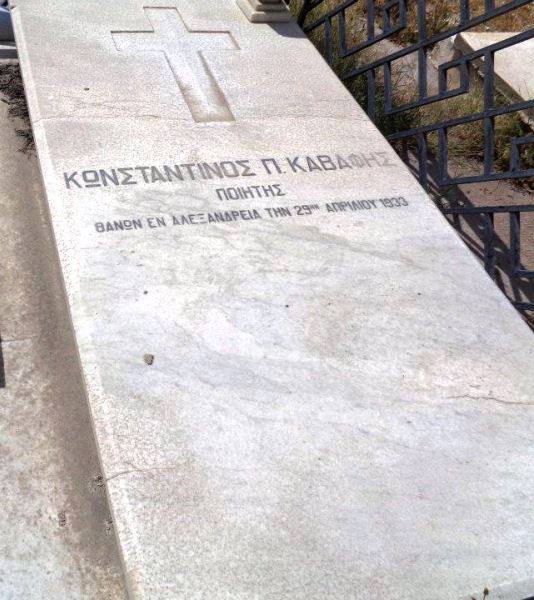
No muy lejos de las antiguas necrópolis, las catacumbas romanas y los recuerdos de la ciudad helenística que inspiró su poesía, el poeta descansa en la misma ciudad que dio forma a su imaginación.
Es un final apropiado.
Mientras los reyes construyeron Alejandría, los eruditos llenaron sus bibliotecas y los sacerdotes levantaron sus templos, fue Cavafis quien se aseguró de que sus historias nunca fueran olvidadas.
A través de sus palabras, Alejandría continúa viviendo no solo en la piedra, sino también en la memoria.
El regreso de un sueño
Tras siglos de pérdida, Alejandría fue testigo del renacimiento de su símbolo más famoso.
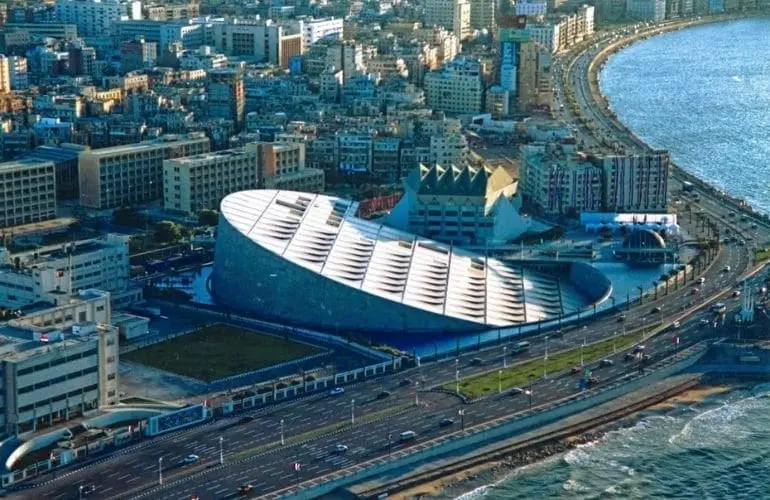
En 2002, la moderna Biblioteca de Alejandría (Bibliotheca Alexandrina) abrió sus puertas.
Diseñada como un enorme disco solar que emerge del mar Mediterráneo, el edificio simboliza el renacimiento del conocimiento.
Hoy alberga:
• Millones de libros
• Centros de investigación
• Museos
• Exposiciones culturales
• Conferencias internacionales
• Proyectos de preservación digital
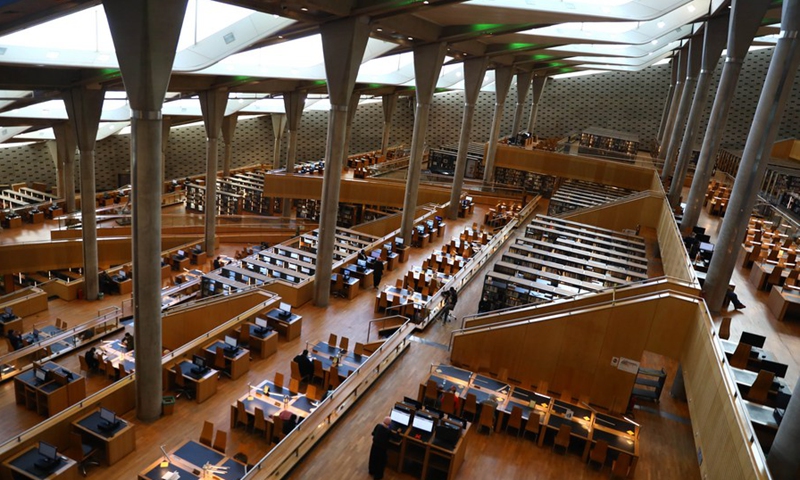
La misión sigue siendo notablemente similar a la de la biblioteca antigua.
En muchos sentidos, el espíritu de la antigua Alejandría vuelve a vivir dentro de sus muros.
Recorrer Alejandría es viajar a través de más de veintitrés siglos de historia humana.
Desde los sueños de Alejandro Magno hasta los eruditos del Mouseion, desde las desaparecidas estanterías de la antigua Biblioteca hasta la grandeza del Serapeo, desde las tumbas helenísticas de Chatby hasta las maravillas subterráneas de Kom El Shoqafa, cada rincón de la ciudad revela otro capítulo de una historia que nunca terminó realmente.
Sus necrópolis y cementerios son mucho más que lugares de enterramiento. Son monumentos a las civilizaciones que dieron forma al mundo mediterráneo, preservando las creencias, el arte, las aspiraciones y las memorias de innumerables generaciones.
Y quizá eso es lo que hace a Alejandría tan extraordinaria.
Es una ciudad donde filósofos y poetas, reyes y comerciantes, santos y soldados, mitos y hechos continúan existiendo lado a lado.
Pocos destinos permiten a los visitantes experimentar el surgimiento de imperios, la evolución de la fe, la búsqueda del conocimiento y el encuentro de culturas en un solo viaje.
Alejandría lo hace.
Y por eso, después de más de dos milenios, sigue siendo no solo una de las ciudades más importantes del mundo desde el punto de vista histórico, sino también una de las más fascinantes.
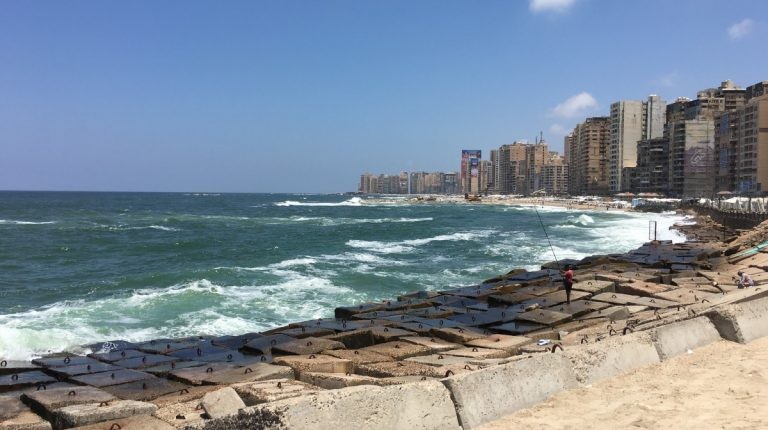
Cuando tu tiempo en Alejandría llega a su fin, puede que te encuentres una vez más frente al Mediterráneo, observando las olas romper contra el histórico litoral de la ciudad. Y en ese momento de calma, te das cuenta de que lo que has vivido fue mucho más que turismo.
Fue un viaje a través de más de 2.300 años de historia humana.
Desde descender a las misteriosas Catacumbas de Kom El Shoqafa, donde las tradiciones egipcias, griegas y romanas se fusionan en un único y extraordinario monumento, hasta explorar la antigua necrópolis de Chatby, uno de los primeros cementerios de la Alejandría helenística, cada parada reveló un capítulo diferente de la extraordinaria historia de la ciudad.
Caminaste entre los elegantes cementerios griegos y latinos que conservan la memoria de la edad de oro cosmopolita de Alejandría. Seguiste las huellas de filósofos, poetas, comerciantes, gobernantes y generaciones de personas que ayudaron a dar forma a una de las ciudades más fascinantes que el mundo haya conocido.
Un día en Alejandría puede comenzar entre tumbas antiguas y tesoros arqueológicos, continuar con historias de dioses, eruditos y emperadores, y terminar con un atardecer tranquilo sobre el Mediterráneo desde la comodidad de un hotel de lujo. Ya sea en el reconocido Four Seasons Alexandria at San Stefano, el histórico Windsor Palace Hotel u otros alojamientos cuidadosamente seleccionados, cada detalle de la experiencia puede diseñarse en torno al confort, la autenticidad y la elegancia.
En Egypt Tours, creemos que viajar no consiste simplemente en visitar lugares. Se trata de comprenderlos.
Por eso, nuestras experiencias en Alejandría están cuidadosamente diseñadas para conectar a los viajeros con las historias más profundas de la ciudad. A través de nuestras relaciones de confianza con hoteles de primer nivel, guías expertos y socios locales, creamos viajes fluidos, enriquecedores y completamente personalizados.
Imagina pasar la mañana descubriendo los secretos de Kom El Shoqafa, la tarde explorando el legado de la antigua Alejandría y la noche reflexionando sobre todo lo aprendido junto al mar. Es un viaje que se mueve sin esfuerzo entre la arqueología, la mitología, la cultura y la historia, reuniendo siglos de civilización de una manera significativa e inolvidable.
Con Egypt Tours, Alejandría no es simplemente un destino en un itinerario.
Se convierte en una historia viva.
Una historia de Alejandro Magno y los Ptolomeos. Una historia de eruditos y poetas. Una historia de creencias antiguas, monumentos magníficos y culturas que se encontraron y florecieron en las costas del Mediterráneo.
Y mucho después de que tu viaje termine, no serán las fechas ni los monumentos lo que más recordarás.
Será la sensación de caminar por una ciudad donde cada piedra tiene una historia, cada monumento conserva una memoria y cada rincón revela otra capa de una de las civilizaciones más grandes de la historia.
Alejandría es más que un lugar para visitar.
Es una historia esperando ser vivida.
Y Your Egypt Tours se honra en ayudarte a descubrirla.
Egipto tiene muchos sitios históricos que puedes visitar y disfrutar. Cada recorrido es diferente y único. Si realizas un crucero por el Nilo, podrás visitar Abu Simbel, Asuán y Luxor en el sur y disfrutar de los templos, tumbas y los tesoros del Nilo. En el norte, disfrute de las Pirámides de Giza, el Museo Egipcio y Sakkara. Mezquitas, iglesias en El Cairo y muchos lugares emblemáticos ubicados en la ciudad de Alejandría. En el este, disfrute de un recorrido por la playa para bucear, hacer snorkel y nadar en el Mar Rojo. Cada ciudad tiene su encanto, historia y sabor donde puedes realizar muchos tours y actividades.
Your Egypt Tours es una de las agencias de viajes líderes y pioneras en la industria turística egipcia. Ofrecemos una atención muy especial y un trato personal a nuestros clientes haciéndolos sentir como en casa con su familia. Excelente servicio y de alta calidad para garantizar que su viaje con nosotros sea único en la vida. Además, las razones comúnmente conocidas, como las de nuestros clientes. comentarios y testimonios, precios competitivos: excelente servicio al cliente, puntualidad y. Lo más importante de todo es que la seguridad de nuestros clientes y disfrutar cada minuto de su viaje son nuestras prioridades. Con nosotros, estás en buenas manos.
Suele variar según el tipo de viaje turístico en Egipto, pero el coste medio por pasar una semana en Egipto es de 1600 USD incluyendo la visita a muchas tumbas y templos y navegar en un crucero por el Nilo de 4 o 5 estrellas.
No beba agua del grifo, está muy clorada. Sin embargo, con suficiente tiempo en Egipto, es posible que te acostumbres al agua. Esto no significa que el agua del grifo esté contaminada, simplemente significa que no estás acostumbrado y que puedes tener problemas estomacales. Esto le sucede a la mayoría de las personas cuando visitan un país por primera vez. Simplemente no estaban acostumbrados a regar allí. Es una situación similar aquí. Es recomendable beber agua embotellada durante todas sus vacaciones. Por eso es muy recomendable no beber agua del grifo y utilizarla únicamente para lavarse y cepillarse los dientes.
Disfruta de tours en Egipto desde septiembre hasta marzo. Es el momento perfecto cuando el clima es bueno y templado. Desde septiembre hasta mediados de noviembre, cuando hace muy buen tiempo y las temperaturas son agradables para todas las actividades, alrededor de 25 C a 15 C. Desde mediados de noviembre hasta finales de febrero es época de invierno, cuando las temperaturas durante el día rondan los 12 o 15 C. y por la noche puede bajar a unos 7 u 8 C. En marzo y abril, el clima sigue siendo muy agradable y los viajeros pueden disfrutar de las vacaciones de Semana Santa. De mayo a septiembre es la temporada de verano. Pasar el verano en un clima desértico no atrae a la mayoría de los viajeros. Las temperaturas diurnas promedio oscilan entre los 80 y los 90 grados, aunque pueden subir a tres dígitos en el sur, como en Luxor y Asuán. El verano aquí es muy caluroso, los precios bajan y es una buena oportunidad para viajeros con un presupuesto ajustado.
Suele hacer calor y sol. el invierno cae entre noviembre y enero, y el pico de los meses de verano es entre junio y agosto. Los inviernos son generalmente suaves, aunque las temperaturas pueden caer por debajo de los 50 grados Fahrenheit (10 grados Celsius) por la noche. En el desierto occidental. El Cairo y las zonas del delta del Nilo pueden experimentar algunos días de lluvia durante el invierno. Los veranos pueden ser insoportablemente calurosos, especialmente en el desierto y otras zonas del interior del país. En El Cairo, las temperaturas medias de verano superan regularmente los 86 grados Fahrenheit (30 grados Celsius), mientras que el récord en Luxor y Asuán, destinos turísticos populares a orillas del río Nilo, es de 110 grados Fahrenheit (45 grados Celsius).
¡La seguridad y la protección son nuestra primera y principal preocupación! Egipto es un país muy seguro con una baja tasa de criminalidad. Ahora, con el brote de coronavirus, los alojamientos y las visitas turísticas en todo el país han finalizado la esterilización y desinfección a la luz de los esfuerzos del gobierno egipcio para implementar medidas de precaución contra el COVID-19. Además, nuestra empresa ha seguido los mismos procedimientos para que todo nuestro personal, guías y conductores estén bien capacitados con los acontecimientos actuales para prevenir y detener la propagación de este brote. Viajar por el mundo es una experiencia alegre y queremos hacer nuestra parte para mantener la anticipación libre de estrés.
Hay muchas cosas que hacer en Egipto durante su visita dependiendo de sus intereses y carácter. El crucero por El Cairo, Alejandría, Luxor y Asuán por el Nilo debe ser tu primera prioridad si eres un amante de la historia y la cultura. Debes visitar las pirámides de Giza, disfrutar de un crucero por el Nilo entre Luxor y Asuán y disfrutar visitando las atracciones turísticas más importantes de Luxor y Asuán. Puede visitar la ciudad de Hurghada, Marsa Alam o Sharm el-Sheikh en el Mar Rojo para relajarse y disfrutar de muchas actividades allí, como bucear, hacer snorkel, tomar el sol o nadar. Quizás te guste hacer un safari en el desierto occidental si eres un aventurero. Muchas otras actividades están disponibles en cada ciudad egipcia
La temporada alta para el turismo es todo el año, siendo el invierno y la primavera la temporada alta para viajes culturales con muchas visitas turísticas. El clima en Egipto es perfecto para muchos tipos de turismo y, si viene en junio, julio y agosto, diríjase a los centros turísticos costeros. Esos meses son muy cálidos con temperaturas que pueden alcanzar los 45°C. y la humedad es de entre el 70 y el 80%, pero es soportable con el mar y grandes piscinas cercanas. Así que el período de la temporada alta de verano también es un poco ocupado ya que los hoteles se llenan de turistas de todo el mundo que buscan gangas, mucho sol, buceo, snorkel, etc. También es el principal momento de vacaciones en Europa. Si vienes en plena temporada de verano, aún puedes disfrutarlo porque siempre puedes hacer turismo temprano en la mañana y volver por la noche cuando se pone el sol. Definitivamente necesitarás una buena protección solar y muchos líquidos para beber con un bonito sombrero en la cabeza. El verano es una buena época para las personas que buscan buenas tarifas en alojamiento y otros servicios.
Egipto es un país musulmán y el código de vestimenta es conservador, especialmente para las mujeres. Dicho esto, estamos acostumbrados a ver viajeros de todo el mundo. Mi sugerencia sería usar ropa ligera y no usar pantalones cortos, faldas cortas y similares para evitar alguna que otra mirada no deseada. Pero realmente depende de ti. Cuando visite lugares religiosos (sinagogas, iglesias y mezquitas), debe cubrirse los hombros y usar vestidos por encima de la rodilla, si planea usar uno, por supuesto. Si planeas asistir al crucero con cena por el Nilo, no es necesario que uses ropa formal a menos que quieras hacer de esa noche una noche especial. Además, compartirás esta experiencia con otros viajeros para que puedas vestirte como te sientas más cómodo.
Puede obtener su visa cuando llegue al aeropuerto de El Cairo. Es un proceso sencillo para ciudadanos de EE. UU., Reino Unido, Canadá, Australia y Europa. La visa es simplemente un sello (como un sello postal o de correo) que se compra en la oficina de visas, en el puerto de entrada, justo antes de la cabina de inmigración. La visa te costará $25 dólares americanos y luego de comprarla; simplemente pégalo en cualquier página vacía de tu pasaporte. Una vez que haya comprado su visa, deberá hacer cola para que el oficial de inmigración selle su pasaporte. También puede solicitar la visa electrónica a través del portal oficial de visas electrónicas: www.visa2egypt.gov.eg
Tu agencia de viajes Egypt Tours te recomienda dos semanas para que puedas disfrutar de los templos y tumbas de Luxor y Asuán, explorar las vistas de El Cairo y relajarte en las islas y reservas naturales del Mar Rojo.
Hay muchos cruceros por el Nilo. No por nombrar uno, pero tu elección depende de muchas cosas a tener en cuenta, como el número de noches que deseas pasar en el crucero, tu presupuesto y el estándar del crucero por el Nilo. Le recomendamos que elija un crucero de lujo de 5 estrellas por el Nilo, y si está buscando un crucero privado por el río Nilo, puede elegir los cruceros Dahabiya, es solo para el tour en grupos pequeños, unas 15 personas. La mayoría de los cruceros lo tienen. Existe otra forma de navegar por el Nilo, que es el barco faluca. Es tradicional y encantador pero es barato siempre y cuando se pueda dormir en cubierta expuesto a los mosquitos y la mayoría de estos barcos no tienen baño
The best time to visit Egypt is generally from October to April where it is suitable for outdoor activities and sightseeing.
Egypt travel usually have guided tours to archaeological sites, museums, and historical landmarks. Also have optional activities may include hot air balloon rides over Luxor, snorkeling in the Red Sea, or desert safaris.