Support Whatsapp Call

Ancient Egyptian Temples

Egyptian temples is timeless monuments that is presirved showcase the grandeur of ancient Egyptian civilization most of the Egyptian Temples are in two cities which is [Luxor and Aswan].

While you are visitng Egypt you will find that each temple implies a unique story, reflecting the religious beliefs, architectural prowess and the cultural landscape of its time. You will have a better understanding of this era in this detailed article we will embark on a journey through 13 must-see Egyptian Temples From the majestic Karnak Temple to the serene Temple of Dendur.

1- Karnak Temple:

    • Location: Located near Luxor, dating back to 1971 BCE The Karnak Temple is considered one of the largest temple in Luxor, Egypt.
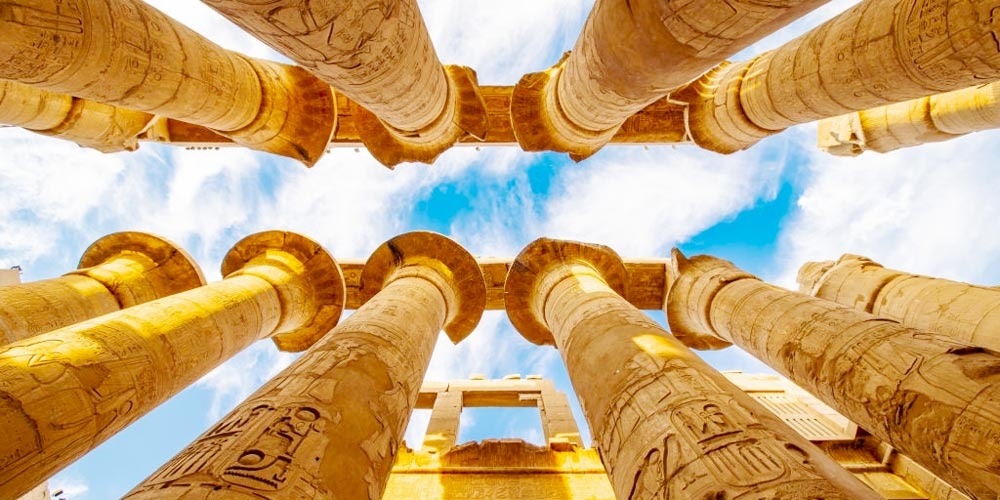
    • Architecture: This Temple is Known for its massive columns, towering obelisks, and intricately carved reliefs Karnak Temple is a masterpiece of ancient Egyptian architecture.
    • Significance: It is dedicated to the god Amun Karnak served as a center for religious worship and royal ceremonies. It was continually expanded by every successive pharaoh over centuries to reflect the changes in religious beliefs and political power for each of them.
    • Karanak Temple Highlights: The Great Hypostyle Hall, Avenue of Sphinxes, Sacred Lake, and the famous obelisks of Hatshepsut and Thutmose III are among the Best attractions of Karnak Temple.

2- Luxor Temple :

    • Location: Located on the east bank of the Nile in Luxor, Dating back to 1392 BCE Luxor Temple is a testament to the New Kingdom architecture.
    • Architecture: Built primarily during the Amenhotep III and Ramses II region when you are at this Temple have a close look to the colossal statues, pylons and the beautifully decorated walls.
    • Significance: it's dedicated to the Theban triad of gods Amun, Mut, and Khonsu Luxor Temple served as a religious center and a symbolic link between the mortal world and the realm of the gods.
    • Luxor Temple Highlights: The Avenue of Sphinxes connecting Luxor Temple to Karnak Temple and the colossal seated statues of Ramses II are some of Luxor Temple Best Attraction.

3- Abu Simbel Temples:

    • Location: Located on the banks of Lake Nasser in southern Egypt dating back to 1264 BCE the Abu Simbel Temples are a UNESCO World Heritage Site.
    • Architecture: this iconic temple was Carved into the cliffs during the reign of Ramses II.
    • Significance: Dedicated to Ramses II and the gods Amun, Ra-Horakhty and Ptah the temples were built to celebrate the pharaoh's victory at the Battle of Kadesh.
    • Abu Simbel Highlights: The four colossal statues of Ramses II at the entrance, the interior halls adorned with scenes of royal triumphs and the biannual Sun Festival are Abu Simbel's Best Attractions.

4- Edfu Temple (Temple Of Horus)

    • Location: Situated on the west bank of the Nile in Edfu, the Temple of Horus at Edfu is one of the best-preserved ancient Egyptian temples.
    • Architecture: Built during the Ptolemaic period, Edfu Temple is a classic example of traditional Egyptian temple design, featuring monumental pylons, courtyards, and hypostyle halls.
    • Significance: Dedicated to the falcon-headed god Horus, Edfu Temple was a center for the annual Festival of Horus, during which elaborate rituals and processions were conducted to honor the deity.
    • Highlights: The massive entrance pylon, the courtyard surrounded by colonnades, and the sanctuary housing the cult statue of Horus are among the key highlights of Edfu Temple.

 5- Kom Ombo Temple:

    • Location: Located on a picturesque bend of the Nile near Aswan, Kom Ombo Temple is a unique double temple dedicated to two gods—Sobek and Horus.
    • Architecture: Constructed during the Ptolemaic and Roman periods, Kom Ombo Temple features twin entrances, courts, and sanctuaries dedicated to Sobek, the crocodile god, and Horus, the falcon god.
    • Significance: Kom Ombo Temple was a center for healing and fertility rituals associated with the worship of Sobek and Horus. Crocodiles, sacred to Sobek, were kept in pools within the temple complex.
    • Highlights: The intricately carved reliefs depicting medical instruments, surgical procedures, and mythological scenes, as well as the Nilometer used to measure the river's water level, are noteworthy features of Kom Ombo Temple.

6- Philae Temple:

    • Location: Situated on Philae Island near Aswan, Philae Temple is dedicated to the goddess Isis.
    • Architecture: Built during the Ptolemaic and Roman periods, the temple features elegant colonnades, exquisite reliefs, and a tranquil setting surrounded by water.
    • Significance: Philae was a center of the cult of Isis, attracting pilgrims from across the ancient world who sought healing, protection, and divine guidance.
    • Highlights: The beautiful First Pylon, the Kiosk of Trajan, and the sacred birth house depicting the divine birth of Horus are highlights of Philae Temple's architectural and religious significance.


7- Temple of Seti I at Abydos:

    • Location: Situated in the ancient city of Abydos in Upper Egypt, the Temple of Seti I is dedicated to the pharaoh Seti I and the god Osiris.
    • Architecture: Constructed during the New Kingdom, the temple features intricate reliefs, colorful paintings, and an impressive hypostyle hall.
    • Significance: Abydos was considered the burial place of Osiris, making the Temple of Seti I a significant religious site associated with death and rebirth.
    • Highlights: The beautifully preserved Osireion, the cryptic depiction of the Abydos helicopter, and the captivating scenes from the Book of the Dead are highlights of the Temple of Seti I.

8- Ramesseum:

    • Location: Situated on the west bank of the Nile near Luxor, the Ramesseum is the mortuary temple of Ramses II.
    • Architecture: Built in the 13th century BCE, the temple features massive statues, towering columns, and intricately carved reliefs.
    • Significance: The Ramesseum was dedicated to the worship of Ramses II as a divine ruler and a symbol of Egypt's military might and prosperity.
    • Highlights: The fallen colossus of Ramses II, the Hall of Columns, and the depiction of the Battle of Kadesh on the exterior walls are notable features of the Ramesseum.


9- Temple of Khonsu:

    • Location: Situated within the Karnak Temple complex in Luxor, the Temple of Khonsu is dedicated to the moon god Khonsu.
    • Architecture: Built during the New Kingdom, the Temple of Khonsu exhibits exquisite craftsmanship, with finely carved reliefs adorning its walls and columns.
    • Significance: As the son of Amun and Mut, Khonsu was venerated as a healer and protector. The Temple of Khonsu served as a place of worship and a center for healing rituals and oracular consultations.
    • Highlights: The beautifully preserved hypostyle hall, the courtyard with its central altar, and the sanctuaries dedicated to Khonsu and other deities are notable features of the Temple of Khonsu.


10- Temple of Dendur:

    • Location: Housed in the Metropolitan Museum of Art in New York City, the Temple of Dendur was originally located in Nubia, Egypt.
    • Architecture: Built during the reign of Emperor Augustus in the Roman period, the Temple of Dendur reflects a blend of Egyptian and Roman architectural styles, with its elegant colonnades and intricate reliefs.
    • Significance: Dedicated to the goddess Isis, the Temple of Dendur was relocated to the United States in the 1960s to save it from flooding following the construction of the Aswan High Dam.
    • Highlights: The picturesque setting overlooking a reflecting pool in the Sackler Wing of the Metropolitan Museum, the beautifully preserved reliefs depicting scenes of worship and offerings, and the fascinating history of its relocation are highlights of the Temple of Dendur.


11- Kalabsha Temple:

    • Location: Located near the High Dam at Aswan, Kalabsha Temple is a Nubian temple dedicated to the god Mandulis.
    • Architecture: Built during the Roman period, Kalabsha Temple features a traditional Egyptian design, with pylons, courts, and sanctuaries adorned with finely carved reliefs.
    • Significance: Kalabsha Temple was relocated from its original location on the island of Kalabsha to its current site to prevent it from being submerged by the rising waters of Lake Nasser.
    • Highlights: The well-preserved reliefs depicting the gods Mandulis, Isis, and Horus, as well as the stunning location overlooking Lake Nasser, make Kalabsha Temple a must-visit attraction.


12- Temple of Queen Hatshepsut:

    • Location: Situated on the west bank of the Nile near Luxor, the Mortuary Temple of Hatshepsut is dedicated to the female pharaoh Hatshepsut.
    • Architecture: Designed by the architect Senenmut, the temple features terraced colonnades, ramps, and statues of the queen depicted in male attire, showcasing her unprecedented reign.
    • Significance: Hatshepsut's temple served as a funerary monument and a place of worship for the queen, who declared herself the daughter of Amun and legitimized her rule through divine lineage.
    • Highlights: The imposing colonnaded terraces, the Chapel of Hathor with its beautiful reliefs, and the mysterious disappearance of Hatshepsut's obelisks are intriguing aspects of the Temple of Hatshepsut.


13- Precinct of Amun-Re:

    • Location: Located within the Karnak Temple complex in Luxor, the Precinct of Amun-Re is dedicated to the supreme god Amun.
    • Architecture: Comprising temples, shrines, and pylons built over several centuries, the Precinct of Amun-Re exemplifies the evolution of Egyptian temple architecture and religious practices.
    • Significance: As the largest temple complex in Egypt, the Precinct of Amun-Re was the religious center of the ancient world and a symbol of Amun's power and authority.
    • Highlights: The monumental entrance pylons, the Avenue of Sphinxes, the Festival Hall of Thutmose III, and the Sacred Lake are among the highlights of the Precinct of Amun-Re, offering insights into the religious and ceremonial practices of ancient Egypt.


The Egyptian temples are not merely architectural marvels but windows into the spiritual and cultural life of ancient Egypt. From the grandeur of Karnak Temple to the intimacy of Edfu Temple, each temple offers a glimpse into the beliefs, rituals, and achievements of a civilization that continues to captivate the world with its enduring legacy. Whether you're a history enthusiast, an architecture buff, or a spiritual seeker, exploring these temples is an unforgettable journey through time and space.

How can we help?

Find out our latest news, promotions, and professional tips. Know before you book your next Egypt tours

Egypt has many historical sites that you can visit and enjoy. Each tour is different and unique. If you go on a Nile cruise, you can visit Abu Simbel, Aswan, and Luxor in the South and enjoy the temples, tombs, and the treasures of the Nile. In the North, enjoy the Pyramids of Giza, The Egyptian Museum, Sakkara. Mosques, churches in Cairo, and many landmarks located in the city of Alexandria. On the East, Enjoy a beach tour for diving, snorkeling, and swimming in the Red sea. Every city has its charm, history, and flavor where you can do many tours and activities.

Your Egypt Tours is one of Egypt’s leading and most trusted travel agencies, known for its personalized service and expert care. As a top-rated company for Egypt tour packages, we ensure every Egypt trip is safe, seamless, and unforgettable,  offering competitive prices, excellent customer service, and the highest standards of quality. With us, you’re always in good hands.

The average cost of a one-week trip in Egypt is around 1600 USD, including visits to tombs, temples, and a Nile cruise. Prices vary depending on the Egypt tours and the level of luxury you choose.

It’s not recommended to drink tap water in Egypt, as it’s highly chlorinated and may cause stomach issues for travelers. During your Egypt tours, it’s best to drink bottled water and use tap water only for washing or brushing your teeth.
 

The best time to enjoy Egypt tours is from September to March, when the weather is mild and pleasant. During these months, temperatures are ideal for sightseeing and Nile cruises. Summer (May to September) can be very hot, but it’s also a good time for budget travelers.

Egypt is generally hot and sunny most of the year, with winter falling between November and January, and summer peaking from June to August. Winters are mild, while summers can get very hot, especially in Luxor and Aswan. The pleasant weather from September to March makes it the best time to enjoy Egypt tours and explore the country's top attractions comfortably.

Yes, Egypt is a very safe country to visit, with a low crime rate and strong security measures in all tourist areas. The government ensures that accommodations and attractions remain clean and well-monitored for travelers’ comfort. When you book Egypt tours, you’ll find professional guides and organized arrangements that make your trip worry-free and enjoyable.

Egypt offers adventures for every traveler. Explore the majestic Pyramids of Giza, sail along the Nile on a Luxury cruise between Luxor and Aswan, and discover ancient temples and tombs that tell the story of the Pharaohs. Dive or snorkel in the Red Sea at Hurghada and Sharm El Sheikh, or enjoy a relaxing beach escape. Book one of our Egypt tours to experience the perfect mix of history, culture in one unforgettable journey.

Yes, you can, summer is still a great time to explore Egypt! While temperatures can rise to around 45°C, seaside resorts like Hurghada, Sharm El Sheikh, and Marsa Alam offer refreshing escapes with diving and snorkeling opportunities. Sightseeing in the early morning or evening helps you avoid the midday heat. Summer also brings great deals on hotels and services, making it ideal for travelers on a budget. Whether you’re seeking relaxation or adventure, Egypt tours during summer can still be an enjoyable and memorable experience.


Egypt has a modest dress code, especially for women, since it’s a Muslim country. Light, comfortable clothing is fine, but avoid short shorts or skirts. When visiting religious sites, cover your shoulders and knees. During Egypt tours, you can dress casually and comfortably; formal wear is optional unless you want to make your Nile cruise dinner extra special.

You can easily obtain a visa upon arrival at Cairo Airport, the process is simple for USA, UK, Canadian, Australian, and European citizens. The visa costs $25 USD and can be purchased at the visa office before immigration. You can also apply for an E-Visa through the official portal: www.visa2egypt.gov.eg. During your Egypt tours, our team can assist you with all visa-related inquiries to make your arrival smooth and stress-free.

Your Egypt Tours travel agency recommends two weeks so that you can enjoy the temples and tombs of Luxor and Aswan, explore the sights of Cairo, and relax in the Red Sea islands and nature reserves.

The best Egypt Nile River cruise depends on your preferences, budget, and how many nights you wish to spend on board. For a truly unforgettable experience, we recommend a 5-star luxury Nile cruise that offers exceptional comfort and service. If you prefer a more private and intimate journey, choose a Dahabiya Nile cruise, ideal for small groups of around 15 people. For adventurous travelers, the traditional Felucca boats provide a simple and authentic way to sail the Nile during your Egypt tours, though they offer fewer amenities.

The best time to visit Egypt is generally from October to April where it is suitable for outdoor activities and sightseeing.
 

Egypt travel usually have guided tours to archaeological sites, museums, and historical landmarks. Also have optional activities may include hot air balloon rides over Luxor, snorkeling in the Red Sea, or desert safaris.